Blog

HDB fire insurance, home insurance and HPS protect different parts of a household’s finances. Compare their purposes, understand HPS cover shares and use practical scenarios to check whether your renovations, belongings, mortgage and temporary living expenses have the protection you expect.

PHV financing rules changed on 30 October 2026, but company-provided in-house loans and lease-to-own schemes currently remain outside their scope. Understand which purchases face the caps, how OMV affects the upfront balance, and how to compare contracts, test driving-income assumptions and calculate the cost of leaving early.

Choosing between a licensed moneylender and a pawnshop involves more than comparing interest rates. Understand how collateral, fees, borrowing limits and repayment deadlines affect the decision, with a worked cost example and checks to make before signing a loan contract or pledging a valuable item.

A renovation quotation is only part of your home improvement budget. Understand how renovation loans differ from personal loans, what each can cover, and how to compare borrowing costs. A worked example shows why upfront deductions and furniture purchases can leave a funding gap even after loan approval.

A cash emergency can leave a domestic worker with several different obligations. Learn how to distinguish licensed loans, illegal lending, instalment purchases and pawning, check what is actually owed, and find support before another payment or threat makes the situation harder to manage.
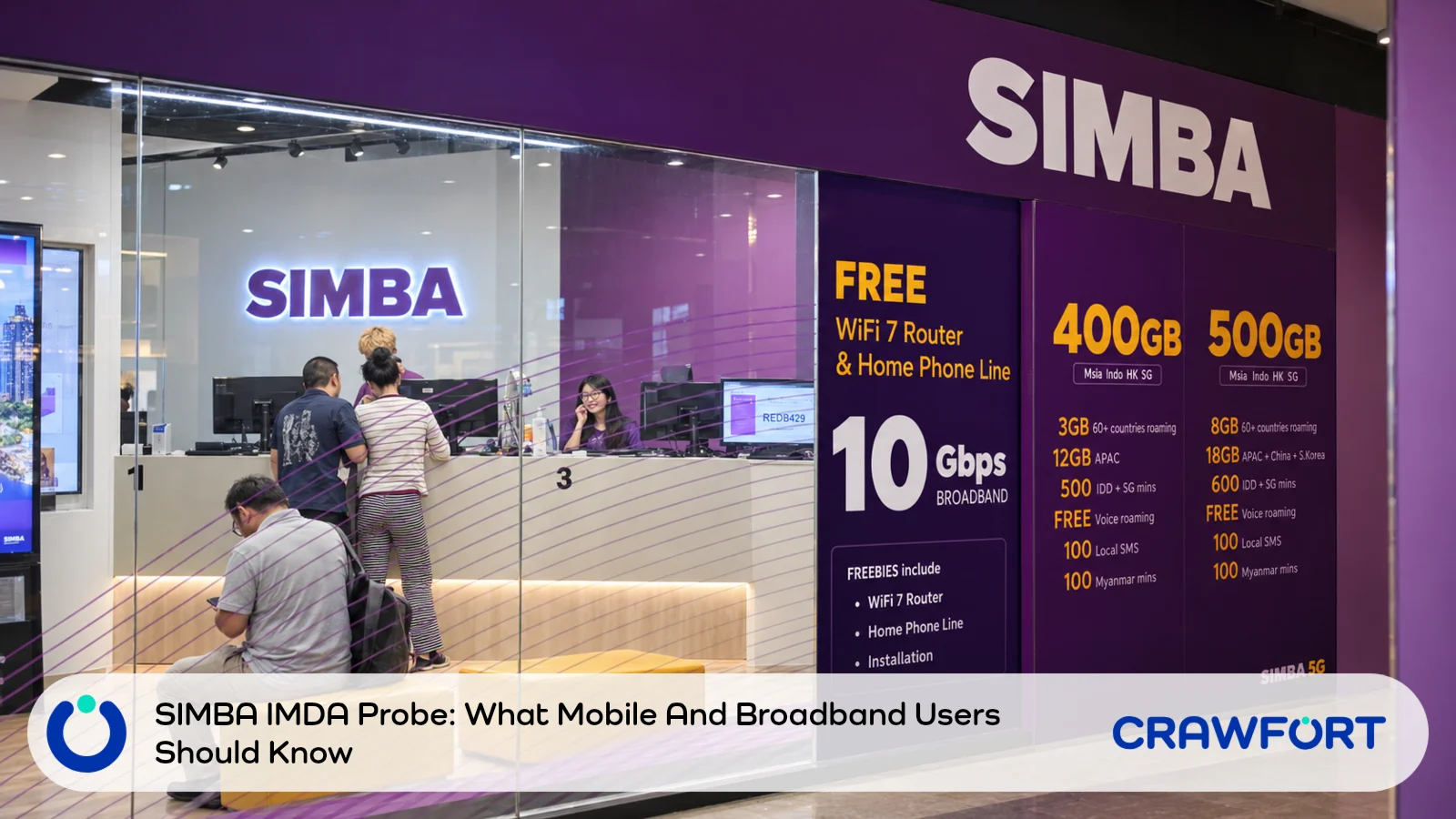
SIMBA’s IMDA probe raises questions for mobile subscribers and households choosing fibre broadband. Understand the spectrum allegations, possible regulatory outcomes and the difference between mobile and fixed services. Check your contract, equipment obligations and switching costs before deciding whether to stay, move or sign a new plan.

A personal loan may suit a necessary expense that needs several months to repay, but it is not automatically cheaper than a credit card. Compare the effective interest rate, fees, cash received and total repayment, then check whether the instalment fits your budget. This guide explains the trade-offs with practical examples.
Build a year-by-year retirement-income map using CPF LIFE, SRS, housing and investments. Learn how to check withdrawal dates, calculate usable housing proceeds, organise three investment buckets and spot cash shortfalls before committing your savings.
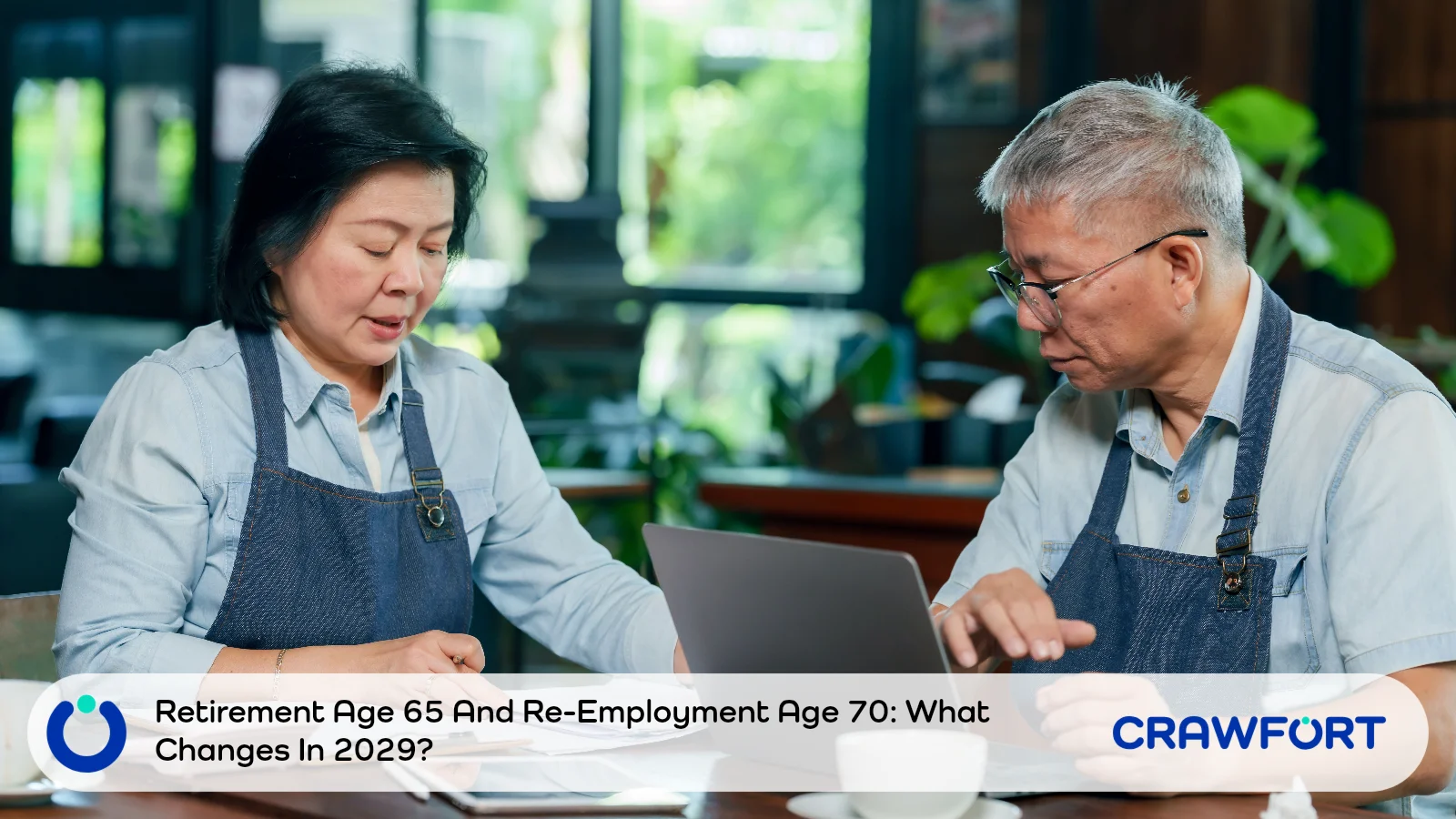
Singapore’s retirement and re-employment ages will rise to 65 and 70 on 1 January 2029. Understand what the change means for employment rights, why CPF payout decisions remain separate, which support measures await details and how to plan for a change in working hours or income.

Learn how to read a CBS credit report before applying for a loan in Singapore. Understand score bands, payment codes, enquiry types, default records and bankruptcy information, then compare reported balances with your current commitments and identify entries that need clarification or correction.

CBS will remain the Moneylenders Credit Bureau’s operator for a new three-year term. Understand what the announcement means for existing services, how licensed-moneylender loan records differ from a bank credit report, and which checks can help you spot repayment errors or assess your commitments before borrowing again.

With car COE premiums above S$130,000, a manageable instalment does not settle the affordability question. Compare the upfront cash, financing costs and running expenses using worked examples, then check depreciation separately to understand what ownership could cost over time.

An unexpected delivery call can turn into a demand from a fake MAS officer. Learn five checks to interrupt the scam before sharing banking details, approving transactions or handing over valuables, plus what to do if you have already shared information or paid.

Buying a resale flat without CPF housing grants may preserve first-timer subsidy status, but it does not reserve a future BTO flat or every priority benefit. A worked five-year example shows the financing trade-off, while the eligibility checks cover the minimum occupation period, household changes and sale proceeds.

A cheap overnight rate does not guarantee a cheaper electricity bill. Use your household’s interval usage to find the off-peak share needed to beat Singapore’s Q4 2026 regulated tariff. This guide works through four retail plans, a daily-charge example and the contract checks to make before switching.

A lower car package price can hide financing conditions, COE top-ups or delivery uncertainty. Compare bidding commitments, rebate formulas and conditional discounts before paying a deposit. A worked example and budget checklist show how to assess the purchase price alongside borrowing costs and the ongoing expense of owning a car.

Police reported three arrests linked to separate loanshark harassment cases in October 2026. Find out what the release establishes, how to respond to threats at home, what evidence to preserve and why reporting harassment should be handled separately from managing any lawful debt.
Higher ride-hailing fares can stretch household budgets without improving drivers’ take-home income. Understand the August 2026 figures, then use two monthly worksheets to track trip spending, operating costs and the cash left for household needs. Includes practical checks to avoid counting fees, reimbursements or deductions twice.
You can pay your credit card on time and still struggle to reduce what you owe. Learn the warning signs that call for debt counselling, how to prepare for a conversation with your bank or Credit Counselling Singapore, and what a Debt Management Programme could mean for your finances.
Our Media Coverage and Achievements
Since 2011