Alwin Goh
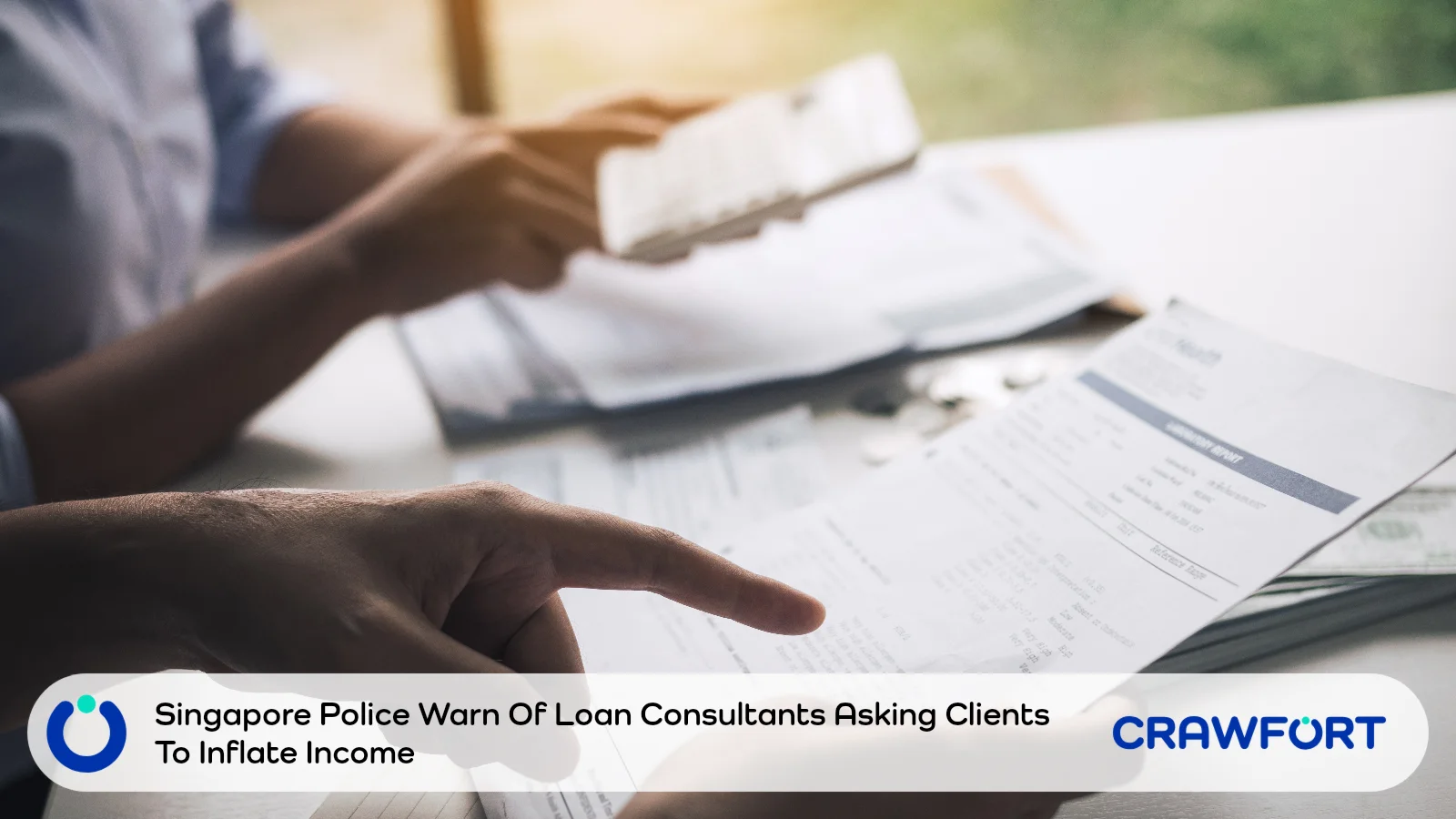
The Singapore Police Force (SPF) warned on Tuesday, 17 November 2026, that an unregulated loan consultancy operator is under investigation for possible cheating offences. According to the police advisory, clients were asked to declare inflated incomes so they could get large personal loans from banks.
Some of the people approached were already in financial difficulty, police said. Clients were told to revise their Notices of Assessment to show the higher figures, and the loans were then taken out with financial institutions on that basis. Some clients also reported pressure tactics from the operators.
Police said clients were left with monthly instalments they couldn’t pay and with inflated income tax bills. The advisory didn’t name the operator or say how many reports police had received.
Police urged anyone who was approached, or who has already used the service, to lodge a police report. Where you start depends on how far things went.
| Your Situation | What To Do First |
|---|---|
| A consultant asked you to inflate your income | Say no, keep the messages and report the approach to police. |
| You sent documents or an application may have been filed | Contact the bank directly and ask what was submitted in your name. |
| The bank has paid out the loan | Ask the bank for the loan agreement and repayment schedule. Keep any fee demands and transfer records. |
| You think your tax return or tax bill was changed | Check the record in myTax Portal and contact IRAS about the difference. |
Table of Contents
How Did The Loan Scheme Work?
Police said the operator offered to arrange large personal loans from banks. The bank lent the money. The operator usually took a percentage of the amount paid out as its fee, so a borrower could receive real money from a real bank even though the application used false income figures.
Loan consultancy operators aren’t regulated, police noted. They warned people to be careful with unsolicited loan offers, especially ones promising loans beyond what you can afford, whether they turn up on social media, in online ads or on flyers.
Why Your Notice Of Assessment Matters
A Notice of Assessment (NOA) is your tax bill from the Inland Revenue Authority of Singapore (IRAS). It shows the income IRAS assessed for a given year. That may not match what you earn now, especially if you’ve changed jobs or your pay varies from month to month.
Police said you should never give false or inflated income details to a government authority or financial institution, whatever a third party tells you. Walk away if a consultant asks you to declare income you didn’t earn or to pass off an edited document as the original.
Has your pay genuinely gone up since your last NOA? Tell the bank and ask which documents it accepts, such as a recent payslip or a letter from your employer. Freelancers and people on commission can ask which months the bank wants to see and what records it uses to check the payments.
Also Read: What Counts As Proof Of Income For A Personal Loan?
What Can A Bigger Loan Cost You?
Police pointed to two problems for clients. Their monthly instalments were more than they could pay on their real income, and their income tax bills were based on inflated figures.
The Consultant’s Fee Comes Out Of Your Loan
These numbers are only an example. Say the bank pays out S$12,000 and you hand S$800 of it to the consultant. You’d keep S$11,200, but you’d still owe the bank the full S$12,000, plus interest and any bank fees under your agreement.
A consultant who takes a percentage earns more when you borrow more. Before you sign, check the bank’s written terms for the monthly instalment and first payment date, as well as the total amount payable and any fee for paying early. Then compare the instalment with what’s left after bills in a tight month. Our guide to planning repayments around your salary can help you spot a shortfall early.
The Bank And IRAS Hold Separate Records
What a bank received and what IRAS has on file are two different records. If a consultant handled your paperwork, you may need to check both. Keep the documents you first gave the consultant and any versions they sent back, so you can show exactly where the figures changed.
What Should You Do If You Were Approached?
If You Turned Down An Offer Or Felt Pressured
Stop replying to the consultant, but keep a copy of everything. Save the full message thread and the sender’s number or profile, along with any ad or flyer they pointed you to. Note when they contacted you, which bank they mentioned and what they asked you to change.
Police asked people to lodge a police report. You can also call the police hotline at 1800-255-0000 or share information through I-Witness. Paid the consultant already? Include the amount, date, recipient and any receipt in your report.
If An Application May Already Be With A Bank
Call the bank on the number listed on its official website or app. Ask whether there’s an application in your name and what stage it’s at, then ask how to flag income details you think are wrong. Tell the bank plainly if it finds an application you didn’t authorise.
Once the loan has been paid out, ask the bank for the agreement, the repayment schedule and the exact amount it transferred. Tell it if the consultant asked you to pass on part of the money, and keep the bank’s case reference and any payment demands from the consultant. If you’re worried about the next instalment, ask the bank what arrangements it can offer.
If Your Tax Record May Be Wrong
Log in to myTax Portal yourself to check the return you filed and the tax bill IRAS issued. Contact IRAS quickly if you spot a change you didn’t make or an income figure that’s wrong.
IRAS says amendments through its Amend Tax Bill service must be filed within 30 days of the date on your tax bill. Its guide to making changes after filing explains the steps. Missed that window? Contact IRAS directly and have the year of assessment and your supporting records ready.
How Can You Check A Loan Offer Is Genuine?
Police advised borrowers to go to banks and financial institutions directly. You can look up the lender in the Monetary Authority of Singapore (MAS) Financial Institutions Directory, then contact it through its official website or app to confirm the offer, its cost and where to send documents. The directory confirms the institution is real. Only the bank can tell you whether the offer actually came from it.
Taking a loan because your current instalments are already hard to keep up with? Talk to your creditors first. Credit Counselling Singapore runs a Debt Management Programme for unsecured debts such as personal loans, credit lines and credit card balances. To qualify, you need at least S$10,000 in unsecured debt owed to two or more creditors, and each creditor decides whether to accept the plan. Bring your balances and due dates, along with your recent income, when you ask for help.
Before You Accept A Loan Offer
Police are investigating one unregulated loan consultancy operator for possible cheating offences but haven’t named it. If someone offers to get you a bigger bank loan by inflating your income, say no and report it. Any loan you take should be one you can repay on the income you actually earn.