

 Alwin Goh
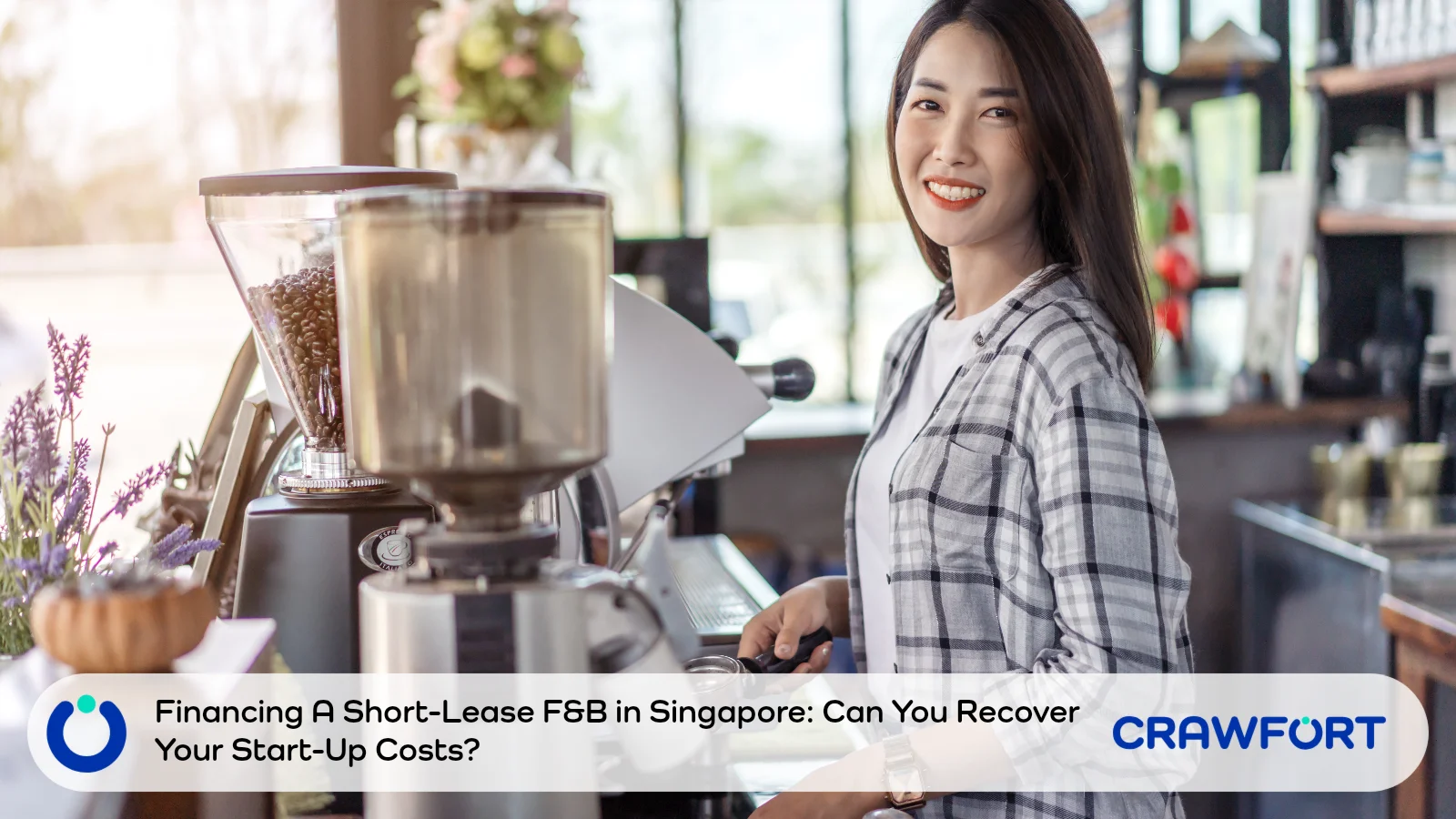
A short lease can make opening a café or food stall feel manageable. The rent commitment is smaller, the concept gets a trial run, and you can postpone a permanent outlet. But there is still a deadline for recovering what you spend.
You may be able to cover rent, wages and ingredients each month while remaining thousands of dollars short of recovering your opening costs. Add a loan, and repayments may continue after the premises close.
Before borrowing, work out whether conservative cash flow can recover your investment within the period you can actually trade, with money left for an orderly exit. Build the base plan around the signed tenancy, then treat a renewal as a separate scenario.
Separate four questions before deciding how much to spend or borrow. Each one measures a different part of the risk.
| Check | What It Tells You | What Can Go Wrong |
|---|---|---|
| Operating Breakeven | Sales needed to cover ongoing operating costs | The outlet survives monthly but never recovers its opening investment |
| Startup Payback | Time needed to recover the money committed at launch | Fit-out costs take longer to recover than the available tenancy |
| Repayment Capacity | Cash available after the full loan instalment | Debt consumes the surplus needed for reserves and payback |
| Exit Funding | Money available for handover, closure or relocation | Deposits and equipment proceeds arrive too late to settle bills |
Table of Contents
- Why Temporary F&B Spaces Still Carry Financial Risk
- Separate Recoverable Assets From Sunk Costs
- Count The Months You Can Actually Trade
- Calculate Breakeven And Startup Payback
- Match Financing To The Cost And The Lease
- Stress Test Sales And Protect Household Cash
- Plan The Exit Before You Fit Out The Outlet
- Decide What You Can Afford To Test
- Frequently Asked Questions
Why Temporary F&B Spaces Still Carry Financial Risk
A CNA feature published on 28 September 2026 described how incubators and other temporary spaces give F&B founders a way to test concepts with fewer upfront commitments. Chef Peter Smit, who started Dirty Supper in an incubator space before moving to a permanent site, said a conventional restaurant launch could have meant taking on at least S$500,000 in debt.
The other side is the lease deadline. At the Punggol East Container Park, tenants were told to leave from as early as 31 October 2026, because the site must be returned to the Singapore Land Authority by 31 December 2026 for future residential development and the lease cannot be extended.
A lower entry cost is useful, but you still need time to earn that money back. Your equipment, renovation, launch marketing and customer base may all depend on a location you eventually have to leave.
Judge the actual arrangement. A fully fitted kitchen used for a brief residency creates a different exposure from a bare unit that needs plumbing, extraction and a new shopfront. The label “incubator” tells you less than the contract and the cost schedule.
Separate Recoverable Assets From Sunk Costs
Divide the opening budget into money you might recover, money tied up temporarily, and money you are likely to lose permanently.
Equipment You Can Move Or Sell
An oven, refrigerator or coffee machine may have value after the tenancy. Check ownership, removal costs, compatibility with another kitchen and any restrictions under an equipment financing agreement.
Use a realistic net resale estimate after transport, dismantling and selling costs. The original invoice price is not the amount a buyer will necessarily pay. Equipment that can be moved may still cost money to reconnect and commission.
Fit-Out And Launch Costs
Built-in counters, plumbing, flooring, signage and launch advertising can be difficult to recover. A new tenant might pay for part of a fit-out, but treat that as uncertain until there is an enforceable agreement and any required landlord consent.
Ask for itemised quotations. Knowing that S$20,000 buys reusable equipment while another S$20,000 pays for site-specific works makes the decision clearer than a single “renovation package” price.
Deposits And Working Cash
A refundable deposit ties up cash even if it is eventually returned. Record the expected refund date and any contractual deductions separately from costs you expect to lose.
For qualifying retail leases, the Fair Tenancy Industry Committee’s Code of Conduct caps security deposits at three months of gross rent for premises of up to 5,000 sq ft with a lease term of up to three years, according to a Ministry of Trade and Industry written parliamentary reply (as of April 2026, with a review of the Code expected to be completed later in 2026). Leases outside the Code may ask for more, so check the figure in your own agreement.
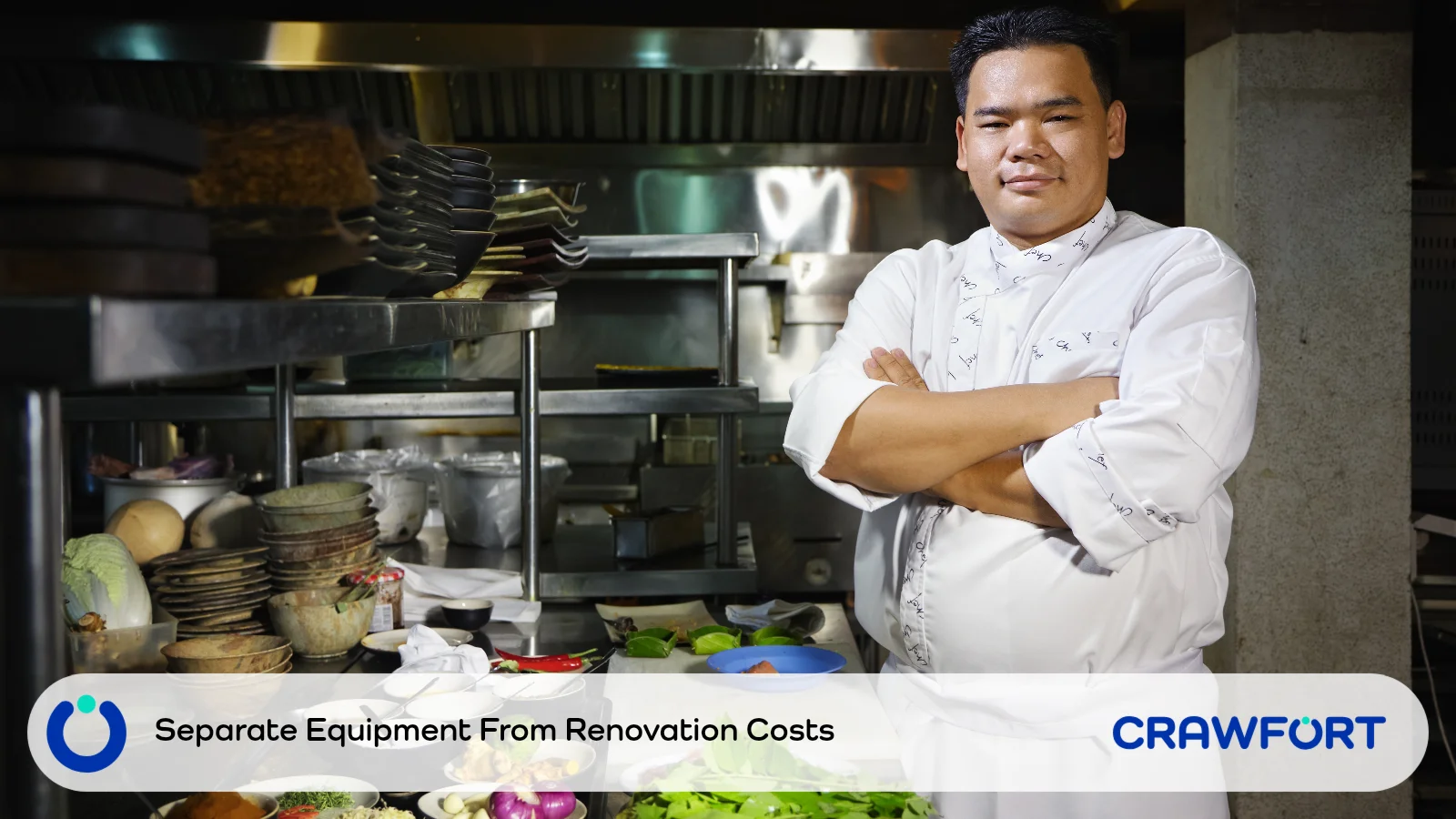
Working capital covers ingredients, wages, utilities and other payments before sufficient sales cash arrives. It belongs in the opening funding plan, even though it is different from renovation spending. Do not spend the operating reserve finishing the interior and assume first-week sales will replace it.
Count The Months You Can Actually Trade
The lease term and the period in which you can earn revenue may differ. Start with the earliest date you may have to stop trading under the agreement, then allow for setup and handover.
For example, a 24-month tenancy with two months for setup and one month for clearing the unit leaves 21 trading months. Slow opening months sit inside that period; they are not additional time.
Check break clauses, notice periods, renewal conditions and whether your agreement depends on a master tenant’s remaining lease. If the head lease ends earlier, obtain written clarity about what that means for your occupation.
There is also a legal distinction for very short arrangements. The Fair Tenancy Industry Committee’s FAQ on qualifying retail leases explains that the retail leasing Code of Conduct applies to qualifying leases of at least one year signed or renewed on or after 1 February 2024. That can include pop-up and pushcart rentals, but only if the tenure is at least one year. Leases shorter than one year fall outside that scope, so check your agreement’s status rather than assuming all temporary spaces carry the same protections.
Allow time for approvals too. Under the SFA food shop licensing process, renovation follows approval of your application, with pre-licensing inspection checks after setup. As of October 2026, a Food Shop Licence costs S$195 and is valid for one year. A premises handover date does not establish when you can open.
Calculate Breakeven And Startup Payback
Operating breakeven asks how much you must sell to cover recurring operating costs. Payback asks how long it takes to recover the investment used to open.
Find The Contribution From Each Sale
Contribution margin is the share of sales left after costs that vary with those sales, such as ingredients, packaging, payment charges and delivery commissions. Use your own menu and sales channel mix.
Operating breakeven sales = monthly fixed operating costs ÷ contribution margin.
If fixed costs are S$12,000 and the contribution margin is 60%, operating breakeven sales are S$20,000 a month. Include a realistic owner wage and employment costs in the budget. Treating your own labour as free can make an unviable outlet look profitable.
If you run the outlet as a sole proprietor or partner, your owner pay also needs to cover income tax and compulsory MediSave contributions. This guide to CPF contributions and top-ups for the self-employed explains what to set aside.
For a cash affordability test, include the full loan instalment and necessary cash provisions. Principal repayment is a cash outflow even though it is not an operating expense in the accounts.
An Illustrative Café On A Short Lease

These figures are hypothetical. They are not typical café costs, lender quotations or a forecast. Assume:
- Opening expenditure: S$100,000, funded by S$70,000 of the founder’s money and a S$30,000 loan.
- Available trading period: 21 months, including three opening months followed by 18 steadier months.
- Steady monthly sales: S$30,000, with a 60% contribution margin.
- Monthly fixed cash costs and provisions: S$12,000, including owner pay and agreed tax and maintenance provisions.
- Full monthly loan instalment: S$1,500.
- Combined cash losses during the three opening months: S$12,000, funded separately by the founder.
Steady monthly cash left after the instalment is:
S$30,000 × 60% − S$12,000 − S$1,500 = S$4,500.
Across 18 steady months, that produces S$81,000. The founder has committed S$82,000: the initial S$70,000 plus S$12,000 of opening losses.
The outlet is cash positive in its steady months, yet it finishes S$1,000 short of recovering that contribution before exit costs and any remaining debt settlement. Equipment sale proceeds might improve the result, but they need a defensible valuation.
Keep the calculations consistent. This example compares the founder’s contribution with cash after debt repayments. A separate project payback calculation would compare the whole opening investment with cash before financing. Comparing the full S$100,000 with cash after principal repayments would count the borrowed capital twice. For a financed exit, reconcile the remaining loan balance separately.
Input costs can also move during a short tenancy. Learn more about how rising fuel and delivery costs affect SME cash flow, and how to tell a temporary funding gap from an ongoing margin problem.
Match Financing To The Cost And The Lease
Identify what the financing pays for before comparing offers. Ask whether the facility permits your proposed use and whether the repayment schedule fits the asset and the trading period.
Equipment with a useful life beyond this outlet needs a credible relocation or resale plan. Site-specific renovation needs enough cash recovery before departure. Borrowing over a longer period can lower the immediate instalment, but it leaves more payments exposed to closure.
The Enterprise Financing Scheme SME Working Capital Loan supports operational cash flow needs. As of October 2026, it offers up to S$500,000 per borrower over a maximum repayment period of five years, and EnterpriseSG’s risk share is 70% for all enterprises from 1 September 2026 to 31 March 2027. Eligibility, the interest rate and approval remain subject to the participating financial institution’s assessment. The risk share protects the lender, not you: the borrower is still responsible for repaying 100% of the loan.
Compare the amount actually disbursed, total repayment, fees, repayment dates, early settlement terms and default provisions. Ask for the projected outstanding balance when the lease ends. A five-year repayment schedule attached to a two-year location needs a plan for the years in between.
Learn more: this loan contract checklist walks through the EIR, total repayment, fees and early settlement clauses to review before signing.
Read guarantees separately. DBS’s explanation of joint and several personal guarantees describes how a bank may recover the full payment due from any guarantor, regardless of their shareholding. Your exposure depends on the documents you sign, so do not assume “unsecured” means there is no personal obligation.
If the contract is unclear, obtain independent legal advice before signing. Test any personal borrowing or guarantee against household income after the outlet closes, rather than assuming restaurant income will always service it. Borrow only the amount the plan genuinely needs; these steps to avoid overborrowing when cash is urgent can help you size the loan.
If you are considering a personal loan from a licensed moneylender to fund part of the outlet, verify the lender first. This guide to choosing a licensed money lender in Singapore covers what to check.
Stress Test Sales And Protect Household Cash
In the café example, a 20% sales fall reduces monthly revenue to S$24,000. At the same 60% contribution margin, cash remaining after fixed costs and the instalment falls to S$900.
That is an 80% reduction in the S$4,500 surplus. A modest sales miss can sharply lengthen payback because rent and repayments do not fall with turnover.
Also test weaker margins, a delayed opening and a forced closure before the expected end date. If delivery sales increase, use the margin after platform charges. If waste rises, update ingredient costs rather than keeping the original percentage.
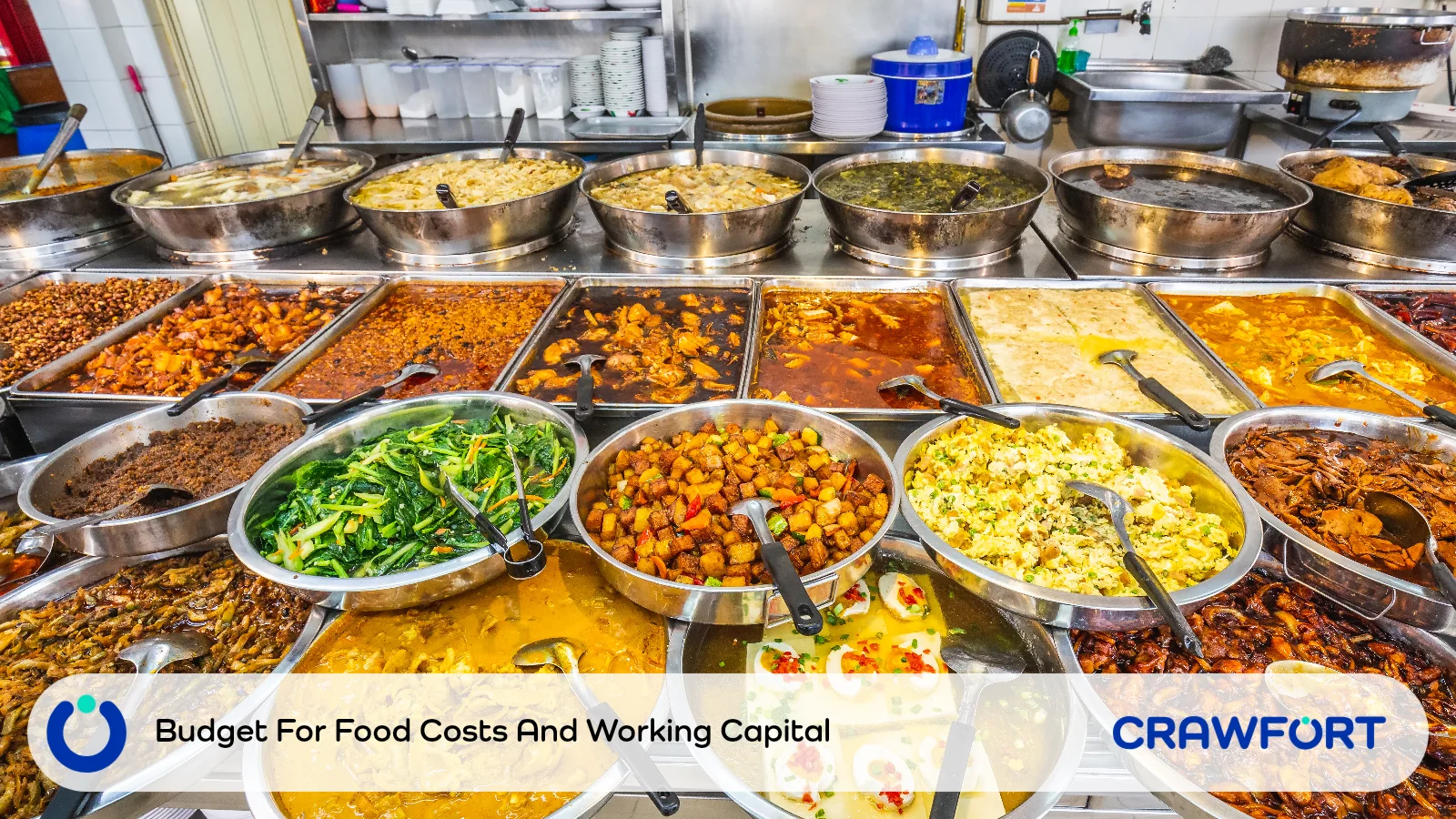
Build a monthly cash calendar alongside the profit forecast. Supplier bills, payroll and instalments fall on specific dates, and monthly profitability does not guarantee cash is available on each one.
Keep household emergency money outside the amount you are willing to risk on the trial. Record a sustainable owner draw and a maximum additional contribution. Once that limit is reached, change the plan instead of making repeated unplanned transfers. A household financial health checklist can help you confirm your emergency savings, insurance and existing debts before you commit.
If household income will depend on changing takings, use a separate budget for irregular income and lean months to assess the draw you can sustain.
A loan may address a defined timing gap, but it cannot repair consistently negative trading cash flow. If ordinary sales cannot cover ordinary costs, review pricing, staffing, opening hours and the concept before adding debt.
Learn more: how to distinguish a one-off cash shortfall from a recurring deficit.
Plan The Exit Before You Fit Out The Outlet
Prepare two budgets: one for closing, and one for relocating. Relocation can require a new deposit and setup payment before the old deposit is refunded, alongside a period with little or no revenue.
Price The Handover
Read the reinstatement clause and obtain a written scope of what must be removed or restored. Budget for dismantling, transport, waste disposal, final supplier payments and employment obligations. Check whether equipment finance or the landlord’s consent restricts removal or sale.
Keep an exit reserve available before handover. Do not assume the deposit refund will pay the contractor clearing the unit.
Calculate What Remains After Closure
Start with available business cash, expected net equipment proceeds and genuinely refundable deposits. Subtract closure costs, unpaid bills and the lender’s settlement figure for that date, including any applicable fees.
Avoid counting both equipment resale and continued use at a new outlet. Choose the scenario you are modelling. Likewise, social media followers can help rebuild demand, but they are not cash available to settle a loan.
Set A Decision Date
Choose a review date that leaves enough time to serve notice, sell assets or organise a move. Agree measurable triggers with your partners, such as a minimum cash reserve or a latest date for written renewal terms.
Make future spending decisions using the expected return from that new spending. Money already lost on renovation is a reason to learn from the trial, not an automatic reason to fund another losing month.
Decide What You Can Afford To Test
A short tenancy may be worthwhile even when full payback is unlikely, if you deliberately budget it as a limited experiment. Be clear about the maximum loss you accept and what you need to learn: customer demand, menu margins or operating capacity.
Before signing, put three figures on one page: the cash you will commit, the conservative cash you expect to recover by departure, and the amount required to exit with obligations settled. If the shortfall exceeds your agreed risk budget, reduce the fit-out, use existing equipment or find a different testing arrangement.
Take that one-page calculation to your landlord, contractor and prospective lender. Resolve the uncertain dates and costs before committing to an opening budget.
If your figures show a short, well-defined funding gap with repayments that still fit your household budget, apply for a personal loan with Crawfort and check your result in the app.
Important note: This article is for general information only and does not consider your personal financial situation. Before taking a loan or agreeing to a restructuring plan, review the contract carefully and make sure the repayments are manageable.



