Alwin Goh
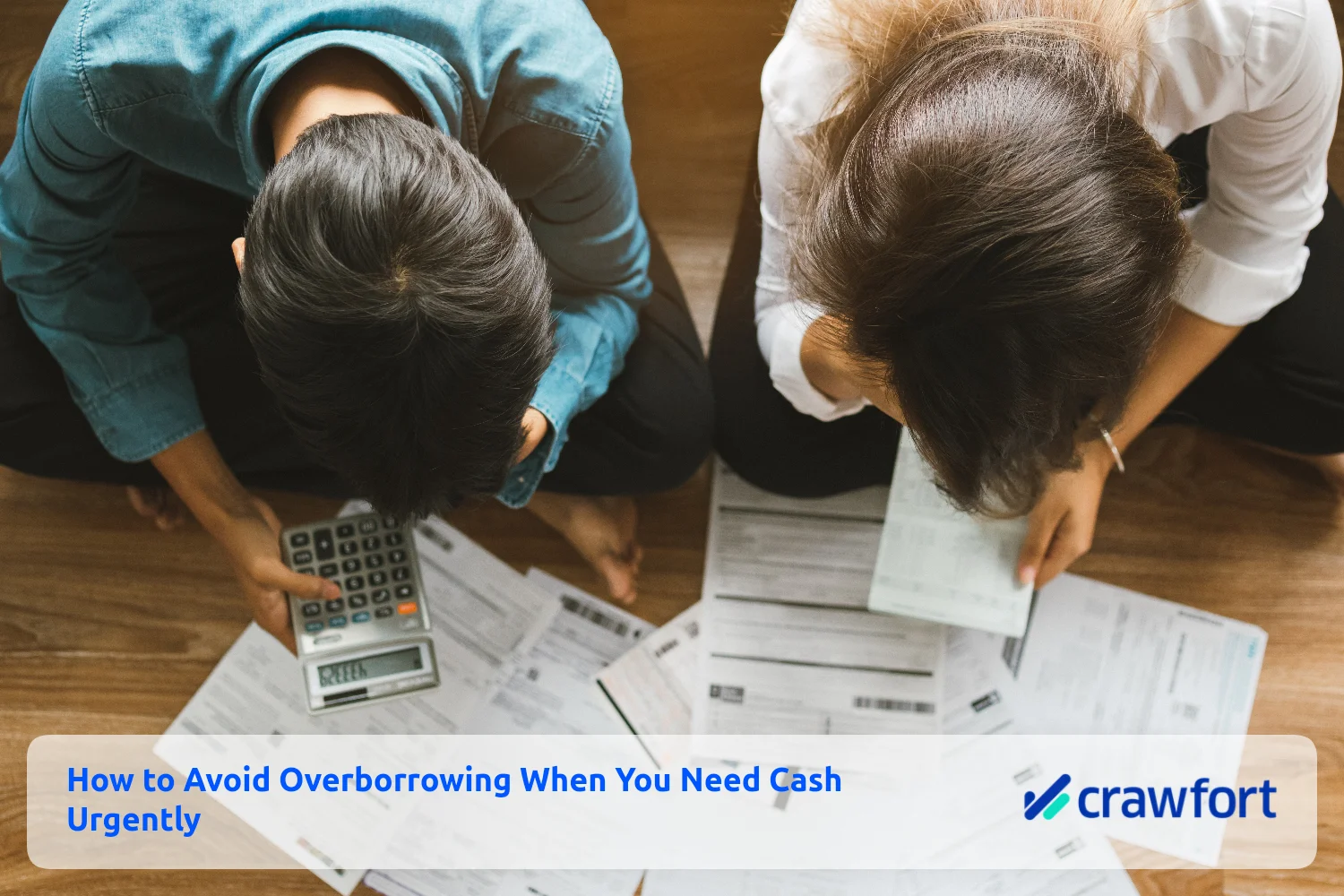
An urgent bill can make the first available loan feel like the only option. Yet urgency does not change what the loan will cost or what happens when the first instalment falls due. Before you apply, work out the exact shortfall, test the repayment against a difficult month and borrow no more than that gap.
The aim is not to avoid borrowing at all costs. It is to keep a temporary cash problem from becoming a longer debt problem.
Table Of Contents
- Why Urgency Can Lead to Overborrowing
- Work Out the Smallest Amount You Need
- Test Whether the Repayment Is Manageable
- Compare the Full Cost, Not Just the Instalment
- Check Alternatives Before Taking a Loan
- Warning Signs That You Are About to Borrow Too Much
- If You Decide to Borrow
- What to Do Next
- Frequently Asked Questions
Why Urgency Can Lead to Overborrowing
When cash is tight, people often focus on the amount available rather than the amount required. A lender may offer more than your immediate expense, and the extra money can look useful for groceries, another bill or a little breathing room. Every extra dollar, however, becomes part of the balance on which interest and fees may be charged.
Speed also narrows attention. You may compare approval time while overlooking the repayment schedule, effective cost or late-payment consequences. The Ministry of Law’s borrowing guide for licensed moneylenders tells borrowers to consider alternatives, understand the contract and borrow only what they need and can repay.
Work Out the Smallest Amount You Need
1. Confirm the Exact Urgent Expense
Ask for a written invoice, payment notice or settlement figure. Separate what must be paid now from what can be deferred or paid in stages.
If a S$2,400 bill requires only S$1,200 this week, your immediate problem is S$1,200—not automatically the full amount.
2. Subtract Cash You Can Safely Use
Count money you can use without missing rent, utilities, food, transport, insurance or existing debt repayments.
Do not empty your account merely to reduce the loan. Leaving no cash buffer can force you to borrow again when the next ordinary expense arrives.
3. Check Assistance and Payment Arrangements
Ask the biller whether instalments, an extension or a partial payment are available. For a genuine emergency, compare your savings and funding choices first. Crawfort’s guide to using an emergency fund versus a personal loan explains the trade-offs.
Family help may also reduce the gap, but agree on repayment clearly to avoid misunderstandings.
4. Borrow Only the Remaining Gap
Use this simple calculation:
Urgent amount due − safe cash available − confirmed assistance = maximum funding gap
Treat that result as a ceiling, not a target to round up.

Test Whether the Repayment Is Manageable
A lender’s maximum offer does not tell you what is comfortable for your household. Build a monthly cash-flow test using dependable take-home income, essential expenses, existing instalments and irregular costs that are due during the loan tenure.
Then test a bad month. What if overtime is lower, a child needs medical care or an appliance fails? If the new instalment works only when nothing goes wrong, the amount is too high.
Crawfort’s guide to working out a manageable loan repayment can help you examine the proposed instalment against the rest of your budget.
Do not rely on a bonus, commission or hoped-for refund unless it is already confirmed. A repayment plan should work from income you can reasonably expect.
Compare the Full Cost, Not Just the Instalment
A smaller monthly instalment can hide a longer tenure and a higher total repayment. Before signing, write down:
- The principal
- How interest is calculated
- All applicable fees
- The number of instalments
- The total amount payable
- Late-payment charges
- Early-repayment terms
Crawfort’s explanation of how loan interest is calculated provides useful background when comparing quotations.
Compare like with like. The amount you receive in cash may differ from the principal if an allowed fee is deducted upfront. Ask for the repayment schedule in writing and make sure you understand every date and amount.
Check Alternatives Before Taking a Loan
The fastest option is not always the least costly or safest. Depending on the expense, you may be able to:
- Negotiate with the provider
- Use an approved payment plan
- Claim insurance
- Access an applicable assistance scheme
- Sell an unused item
- Take a small advance from your employer
If existing debt is already causing the shortage, another loan may postpone rather than solve the problem. MoneySense’s guidance on managing debt recommends speaking to your financial institution promptly if you cannot keep up and warns against borrowing elsewhere to repay debt without comparing interest and fees.
Credit Counselling Singapore may also help with unsecured debt difficulties.
Learn more about combining multiple debts into one manageable repayment with a debt consolidation loan.
Warning Signs That You Are About to Borrow Too Much
- You cannot state the exact expense and funding gap.
- You are adding “extra cash” without a defined essential purpose.
- The instalment leaves nothing for emergencies or irregular bills.
- You need another credit facility to make the first few repayments.
- You are comparing speed or monthly instalments but not total repayment.
- You feel pressured to sign before reading the contract.
- The lender contacts you through an unsolicited SMS or social-media message.
That last sign deserves particular caution. Licensed moneylenders are not permitted to advertise through SMS, and the Registry advises borrowers not to respond to such solicitations. You can also review Crawfort’s guide to protecting yourself from personal loan scams before sharing any personal information.
If You Decide to Borrow
Use a licensed and verifiable provider, compare more than one quotation and keep copies of the contract, repayment schedule and receipts.
Never share your Singpass password, internet-banking password or ATM card. If you are considering a licensed moneylender, verify the business against the Ministry of Law’s current Registry list before you disclose personal details or sign anything.
Once you have fixed the smallest manageable amount, you may review Crawfort’s loan options. Check the contract carefully and do not treat eligibility or an offered amount as proof that the repayment suits your budget.
What to Do Next
Pause long enough to write down four figures: the amount due now, safe cash available, confirmed assistance and the remaining gap.
Then test the proposed instalment against your essential expenses and a difficult month. If either calculation feels uncertain, wait and clarify it before signing.
When you have fixed the smallest manageable amount, borrowing from a licensed moneylender that follows Ministry of Law rules keeps you protected. Ready to get started? Apply for a loan with Crawfort and get approved in as fast as 8 minutes, with clear terms explained before you commit.
Important note: This article is for general information only and does not consider your personal financial situation. Before taking a loan, review the loan contract carefully and make sure repayments are manageable.