Alwin Goh
If your credit card payment goes out every month but the balance barely moves, it is time to ask for help. You do not need to miss a payment before you speak to your bank about repayment difficulty or seek credit counselling.
The clearest warning sign is a recurring gap: after paying for essentials, you cannot meet your debt commitments without borrowing again. Even if you can cover the minimum payment today, that pattern needs attention before the next statement arrives.
Use the table below as a quick starting point. These are practical prompts, not eligibility rules for any programme.
| Your Situation | A Sensible Next Step |
|---|---|
| A one off bill leaves a balance, but you know where the money to clear it will come from | Set a repayment amount and date, and pause new card spending |
| You repeatedly pay only the minimum and cannot see when the debt will end | Review your statements and consider credit counselling |
| You expect to miss a minimum payment | Contact the bank before the due date and explain the shortfall |
| You borrow from another facility to meet repayments | Review all your debts together with a counsellor |
| A proposed instalment leaves too little for essential living costs | Ask for an affordability review before agreeing to it |
Table of Contents
What The Latest Credit Card Debt Figures Mean
On 15 October 2026, The Straits Times reported 814 new cases at Credit Counselling Singapore (CCS) in Q2 2026, a three year high, alongside S$9.64 billion in credit card rollover balances.
The two figures measure different things. Counselling cases reflect people coming forward for help. A rollover balance measures card debt that attracts interest because it was not settled by the payment due date.
Under the MAS definition of credit card rollover balances, the total includes the balance left after the minimum payment has been made, as well as any unpaid minimum amount. Someone who pays the required minimum on time can therefore still add to the national figure.
Rollover balances are not a count of defaults, and on their own they do not show a matching decline in the quality of banks’ loan books. For an individual household, the more useful question is whether your repayments are reducing the debt at a pace you can sustain.
Also Read: What Singapore’s credit card rollover balance means for cardholders
Why Minimum Payments Can Keep You In Debt
The minimum amount on your statement is a payment requirement. It does not tell you how quickly the balance will be cleared.
Once a statement is not paid in full, finance charges apply to the remaining balance, and new purchases may also start attracting interest straight away. Card interest rates in Singapore are typically well above 20% a year, and the minimum payment is usually a small percentage of the balance or a fixed dollar amount, whichever is higher. Your statement and card terms show the exact figures for your account.
Consider an illustrative S$6,000 balance at an assumed 27% annual interest rate. A simple monthly approximation gives S$135 in interest: S$6,000 × 27% ÷ 12.
If the assumed minimum payment is S$180, only about S$45 goes towards reducing the original debt once that interest is covered. This illustration excludes fees and new spending and simplifies how banks actually calculate charges. It is not a repayment quotation or a forecast of your statement.
The practical point is the gap between what you pay and how much debt that payment actually removes. Any fresh purchases on the card can wipe out that progress.
Compare several statements side by side, and look at payments, interest, fees and new transactions separately. If you paid S$500 but spent another S$450, a small drop in your balance has a different cause from a month with no new purchases and heavy finance charges.
Learn More: Debt repayment strategies that help you choose which balance to clear first

When To Seek Credit Counselling
You do not need to wait for a crisis before asking for an assessment. Any of these situations is a good reason to seek one.
Your Repayment Plan Depends On Another Loan
Using fresh credit to pay existing debt can make this month look manageable while leaving the underlying shortfall untouched.
Write down where each repayment comes from. If part of it comes from a cash advance, a credit line or another loan, add that borrowing to the same debt list. Otherwise, you may mistake moving money between creditors for real progress.
Also Read: How a credit card cash advance compares with a personal loan
Your Budget Works Only If Nothing Goes Wrong
A plan that needs every dollar of expected overtime, commission or family support leaves little room for disruption.
Start with the take home pay you can rely on. Deduct essential spending and set aside money for predictable bills that do not arrive every month. Then compare what remains with your required debt payments. A monthly household budget worksheet can help you organise those amounts.
If the result is negative, the shortfall needs attention now. If it is only just positive, check whether the plan depends on postponing healthcare, transport or other essential costs.
You Cannot Explain How The Balance Will Be Cleared
“I will pay more when things improve” is hard to act on without an amount, a source of funds and a date.
Replace it with a specific plan: how much can you pay from your current income, and which spending will stop? If you cannot make those figures fit, a counsellor can help you review the options instead of relying on a bonus that may not arrive.
Managing The Accounts Has Become Overwhelming
Avoiding statements, losing track of due dates or hiding the extent of your borrowing all make good decisions harder.
Bring incomplete records if that is all you can gather at first, and ask what else is needed. The aim is an accurate picture of your finances, including any debts you find difficult to talk about.
Read More: Build a recovery plan when multiple repayments are draining your salary
What To Say To Your Bank
Contact the bank through its official app, website or the phone number printed on your card. Explain the problem before you promise any amount.
You could adapt this wording to your own circumstances:
“My take home income has fallen, and I expect a shortfall for the payment due on [date]. After essential household expenses, I can currently afford S$[amount] a month. What repayment assistance can you assess me for, and what documents do you need?”
Ask for enough detail to judge any offer properly.
Questions To Ask
- What interest rate and fees would apply?
- What would the monthly payment and the total repayment be?
- How long would the arrangement last?
- Would the card be suspended or closed?
- What happens if a payment is missed or the balance is repaid early?
- How would the arrangement appear on your credit report?
Note down the date of the conversation, the reference number and the agreed next step. Ask for the proposed terms in writing so you can check them against your budget.
Asking for help does not change your existing payment obligations on its own. Do not assume payments or interest are paused while an assessment is pending. If you cannot meet the current amount, tell the bank directly and ask what to do before the due date.
Learn More: What to do if you are unable to pay your credit card bill
How Credit Counselling Singapore Works
CCS gives you a chance to review your wider financial situation. Its consumer credit counselling service looks at your income, spending and repayment capacity, and helps you work out which debt settlement option suits your circumstances.
Seeking counselling and entering a formal repayment programme are separate steps. A counselling session helps establish what is workable, but it does not guarantee that creditors will accept a proposal.
Also Read: How credit counselling and the Debt Management Programme work
Start With The Required Information Talk
As of October 2026, CCS requires anyone requesting credit counselling to first attend an information talk on debt management, held either in person or as a webinar. After the talk, follow the instructions given to request a counselling appointment.
Before you submit your request, check the CCS guide to preparing documents. It sets out the financial records you need, such as income documents and your credit report, and the exact list depends on your employment and borrowing. Ask CCS about any charges that may apply.
Prepare A Debt List And An Honest Budget
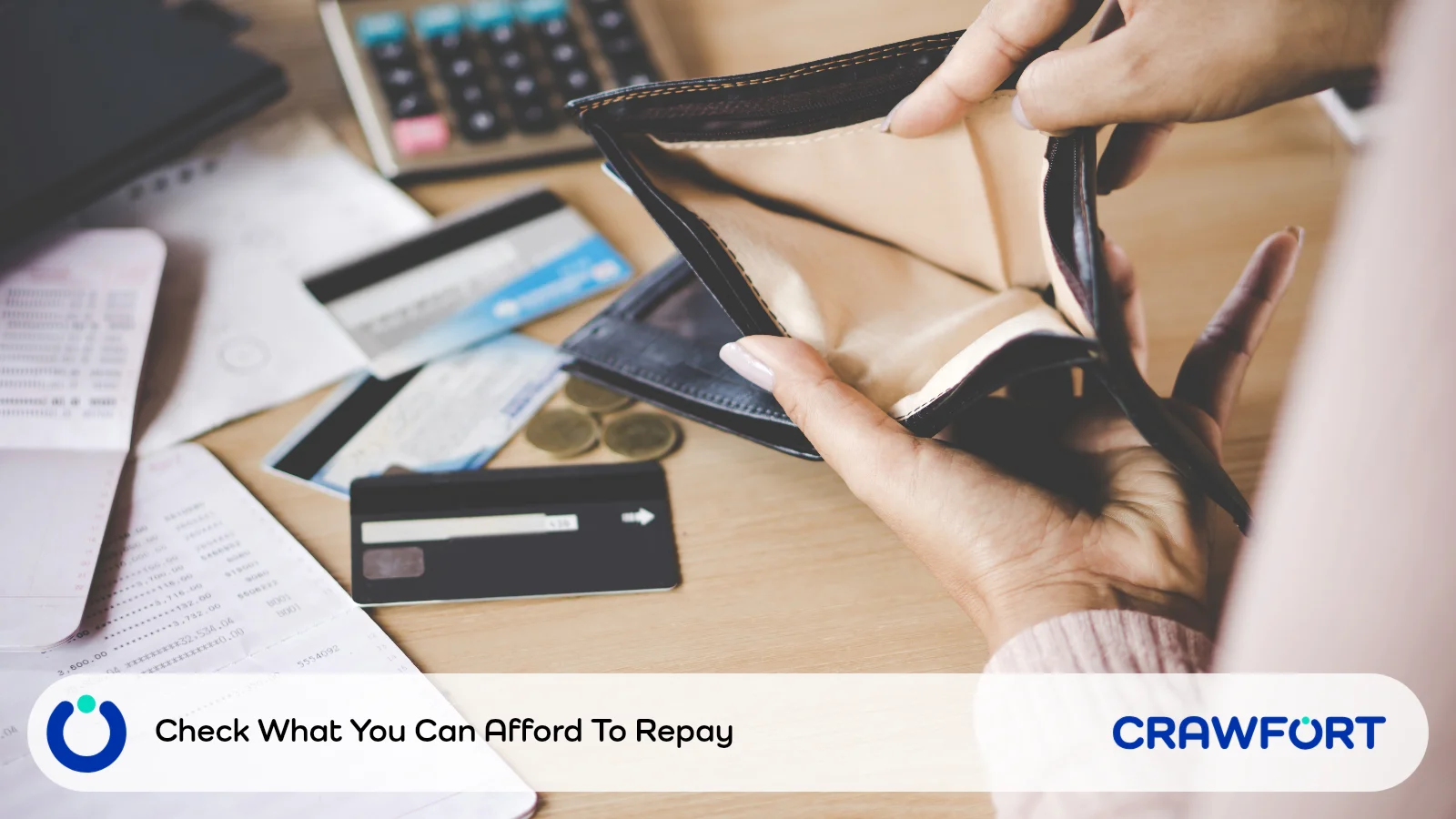
Put every account on one list: creditor, balance, interest rate, minimum payment and due date. Add any overdue amounts, instalment plans and money borrowed from family or friends.
Separate regular income from income you only hope to receive. Likewise, use your actual spending rather than an ideal budget you have never managed to follow. Tell the counsellor about changes ahead, such as reduced working hours or a new caregiving expense.
This makes the assessment more useful. An instalment that only fits because some expenses were left out is likely to create another shortfall later.
Learn More: How to prioritise bills without falling deeper into debt
What A Debt Management Programme Involves
The CCS Debt Management Programme, or DMP, is a formal arrangement that helps suitable borrowers repay unsecured debts such as credit cards, credit lines and personal loans in full. CCS assesses your repayment capacity and prepares a proposal for your creditors to consider.
An accepted arrangement can give you affordable monthly instalments at a reduced interest rate over a longer period. Approval and the final terms remain at each creditor’s discretion. Once the proposal is accepted, you pay each creditor according to the agreed schedule.
Understand the consequences before you agree. CCS states that all existing credit cards and unsecured facilities are cancelled while you are on a DMP, and your DMP status is reported to Credit Bureau Singapore (CBS). New applications for credit are unlikely to be approved during the programme.
Also Read: What your Credit Bureau Singapore report shows compared with the MLCB
These restrictions matter if you pay recurring bills by credit card. Before relying on the proposed budget, ask how to move essential payments to a debit account or GIRO arrangement you can afford.
A smaller instalment also needs to be weighed against the repayment period, fees and total amount payable. Ask what happens if your income falls again, and whom to contact if the schedule becomes difficult to keep.
Be cautious about replacing card debt with a new loan just to reduce the next payment. If your household budget already runs a recurring deficit, more borrowing may only postpone the same problem. If your debts are mainly with banks, check whether the industry Debt Consolidation Plan applies to you, and review affordability before committing to anything.
If you come across several scheme names, check which debt types and entry routes each one covers.
Also Read: How MDMP, DCP and DRS differ
Before Your Next Payment Is Due
Take your latest statements and work out two figures: the total needed for your upcoming debt payments, and the cash left after essential costs. If the second figure cannot cover the first, contact the affected banks and sign up for a CCS information talk.
You do not need a perfect repayment proposal before reaching out. What you do need is a clear account of what you owe, what you can afford and when the next payment is due.
If your debts have not reached the stage where counselling is needed and you would prefer one fixed instalment instead of several card bills, you can compare a debt consolidation loan with Crawfort and check your result instantly in the app.
Important note: This article is for general information only and does not consider your personal financial situation. Before taking a loan or agreeing to a restructuring plan, review the contract carefully and make sure the repayments are manageable.