Alwin Goh
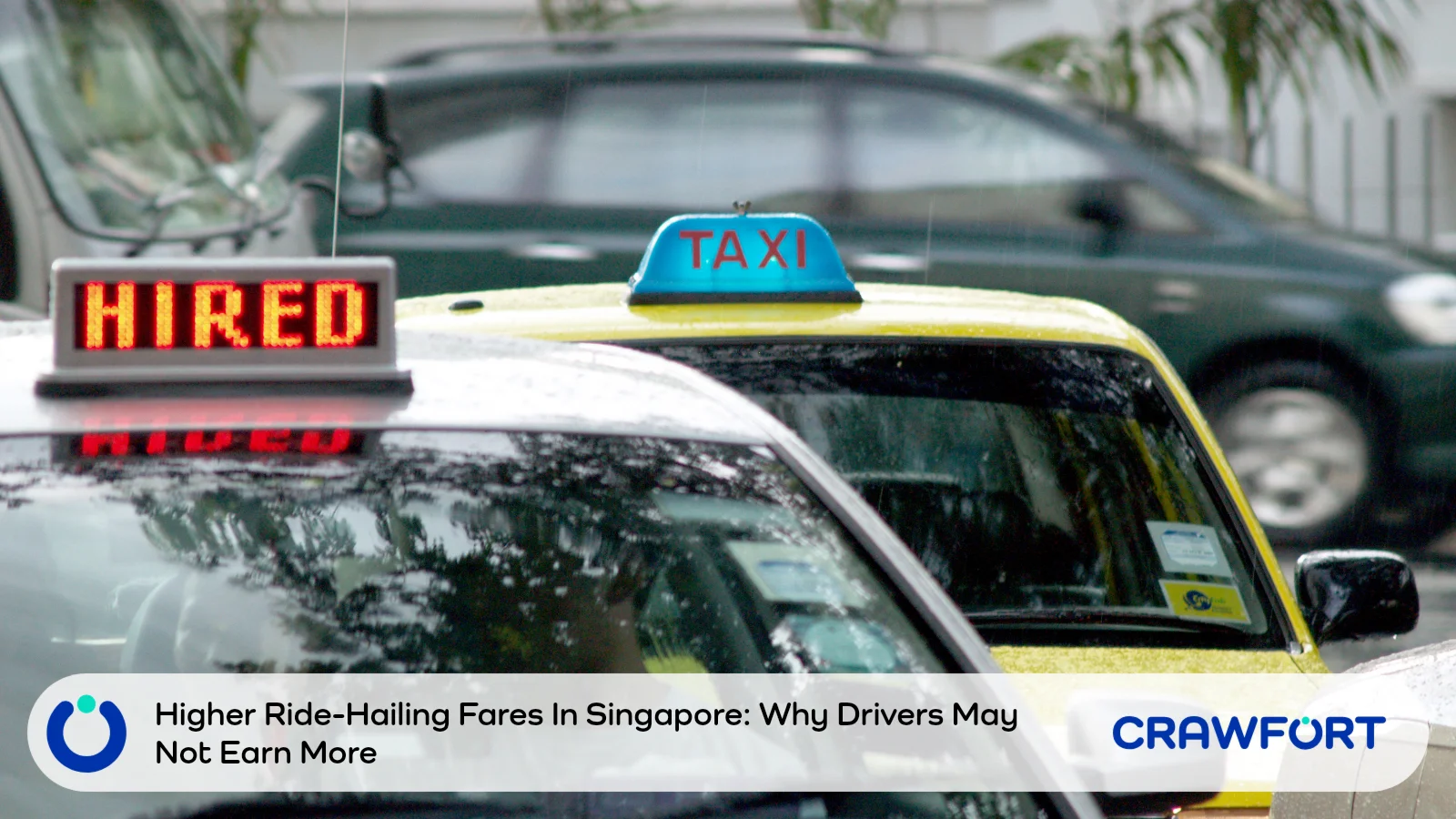
Fares have gone up, but that doesn’t mean drivers are earning more. What you pay in the app and what a driver has left for rent, food and family bills are two different amounts.
If you take rides often, you’ll want to know how much you spend in a month. If you drive, you’ll want to know how much is left after paying for rental, fuel and commission. This article has a simple worksheet for each.
Before you start, it helps to know which of these amounts you’re working with. We’ve used sample numbers in both worksheets, and you can swap in your own as you go.
| Figure | What It Measures | What To Check |
|---|---|---|
| Passenger’s Total Payment | The final amount paid for a trip | Include applicable fees and surcharges |
| Driver’s Gross Receipts | Driving receipts before the deductions listed in your worksheet | Check what the platform statement includes |
| Cash After Operating Costs | Receipts less actual business cash outgoings | Avoid counting an expense twice |
| Cash Available For Household Spending | The balance after your own contributions and reserves | Allow for tax, future bills and unpaid time off |
Table of Contents
- What The August Figures Tell Us
- Why A Higher Passenger Fare May Not Lift Driver Income
- Worksheet For Drivers: What’s Left After Costs
- CPF And Tax Figures Aren’t Spending Money
- A Monthly Transport Worksheet For Households
- What If Your Costs Go Up?
- Start With One Month Of Records
- Frequently Asked Questions
What The August Figures Tell Us
In a report on taxi and ride-hailing fares published on 16 October 2026 (and updated a day later), CNA said point-to-point transport cost 12.3% more in August 2026 than it did a year before. Going by SingStat’s data, that was mostly because flat fares went up. Metered taxi fares weren’t the big factor.
Overall prices rose much less. The official August consumer price release, published on 23 September 2026, put inflation at 2.3% year on year.
The 12.3% is an average. Your own fares may have gone up more or less, depending on your route, the time you book, the service you choose and any discounts you use.
So instead of adding 12.3% to what you spent last month, go back to your receipts. They’ll also tell you something the average can’t, which is whether you’ve been taking more trips or fewer.
Why A Higher Passenger Fare May Not Lift Driver Income
Drivers who spoke to CNA said fuel, vehicle and platform costs reduce what they earn. This is why a higher fare for the passenger doesn’t always mean more money for the driver.
The Passenger’s Bill And The Driver’s Receipts Differ
Part of what you pay may be a platform fee that the driver doesn’t get. The platform also takes a commission from the driver. These are two separate charges.
If you’re the driver, your earnings statement tells you far more than the fare does. It shows what was paid to you and what the platform took off, plus any incentives or money paid back to you. The fare alone won’t show how much you kept.
Vehicle Costs Continue Between Trips
Rental has to be paid even on a slow day. Then there’s fuel or charging for the drive to a pick-up, for moving to a busier area and for getting home, and you don’t earn anything on those trips.
Check your rental agreement. Insurance or servicing might already be part of what you pay, and if so, leave it off your list of costs. Only add it if you’re paying extra on top.
Longer Hours Can Hide A Pay Drop
A bigger monthly total looks good, but it may just mean you spent more hours on the road. Count your waiting time and the drive between jobs as working hours too.
Here’s how that plays out. Imagine you’re left with S$2,750 after costs in two separate months, but the first took 200 hours and the second took 220. Per hour, you’ve gone from S$13.75 down to S$12.50, and CPF and tax haven’t even come out yet. We made these numbers up to show the sum, so they aren’t typical earnings.
Worksheet For Drivers: What’s Left After Costs
It’s easiest to work with one calendar month. You’ll need the statements from each platform you drive for, your rental invoices and receipts for any other costs. Match your cash trips with your bank payouts as well, otherwise the same fare could end up counted twice.
This example starts with gross receipts, before platform deductions, and assumes a rented car. The amounts are examples only. They are not real rental prices or commission rates.
| Monthly Item | Illustrative Amount | Your Amount |
|---|---|---|
| Gross Driving Receipts, Including Incentives | S$7,500 | Enter Amount |
| Less: Platform Commissions And Driver Charges | S$900 | Enter Amount |
| Less: Vehicle Rental | S$2,600 | Enter Amount |
| Less: Fuel Or Charging | S$950 | Enter Amount |
| Less: Unreimbursed Work Parking And ERP | S$180 | Enter Amount |
| Less: Other Work Costs Paid Separately | S$120 | Enter Amount |
| Total Operating Cash Outgoings | S$4,750 | Add The Five Cost Rows |
| Cash After Operating Costs | S$2,750 | Gross Receipts Minus Operating Outgoings |
Check The Starting Figure Before Subtracting Anything
If commission has already been taken from your payout, don’t subtract it again. You’ll end up with a lower number than you really earned. Either start from your gross receipts, or start from the payout and only subtract costs that haven’t been taken out yet.
Do the same with reimbursements. If the platform pays you back for ERP, record it as both income and a cost, or leave it out completely. Don’t record only one of them.
Work Out What Can Go To The Household
You can’t spend all of the S$2,750 yet. You still need to pay any CPF contributions not already deducted, save for income tax, and keep some money for future bills or days you can’t work.
What’s left after that is the amount you can give to the household. If you start from your bank payout, check whether CPF has already been deducted.
If you own your car, replace the rental line with your loan instalments and the running costs you pay yourself. What you end up with here is a cash figure, not your profit. Accounts treat loan principal, interest and depreciation in their own way, so label this sheet as a cash budget to avoid mixing the two up.
Also read: Build a cash flow buffer for months with lower income
CPF And Tax Figures Aren’t Spending Money
Your statements may show a figure called “net earnings”. Check how it was calculated before you use it.
For CPF, platform operators first deduct a fixed amount for expenses from your gross earnings. They then apply the CPF rate to the balance. The CPF Board explains how net earnings are calculated. For car drivers, the deduction is 60% (as of October 2026). This is a fixed rate, so it may be different from what you actually spent.
Tax has its own rule. IRAS lets taxi and private-hire drivers claim 60% of their yearly gross driving income as expenses (as of October 2026). You can claim your actual expenses instead, and the IRAS page explains when you can do this.
Neither rule means 40% of your earnings is yours to spend. Your budget should be based on what really left your pocket, while the 60% rates are only for working out CPF and tax.
A Monthly Transport Worksheet For Households
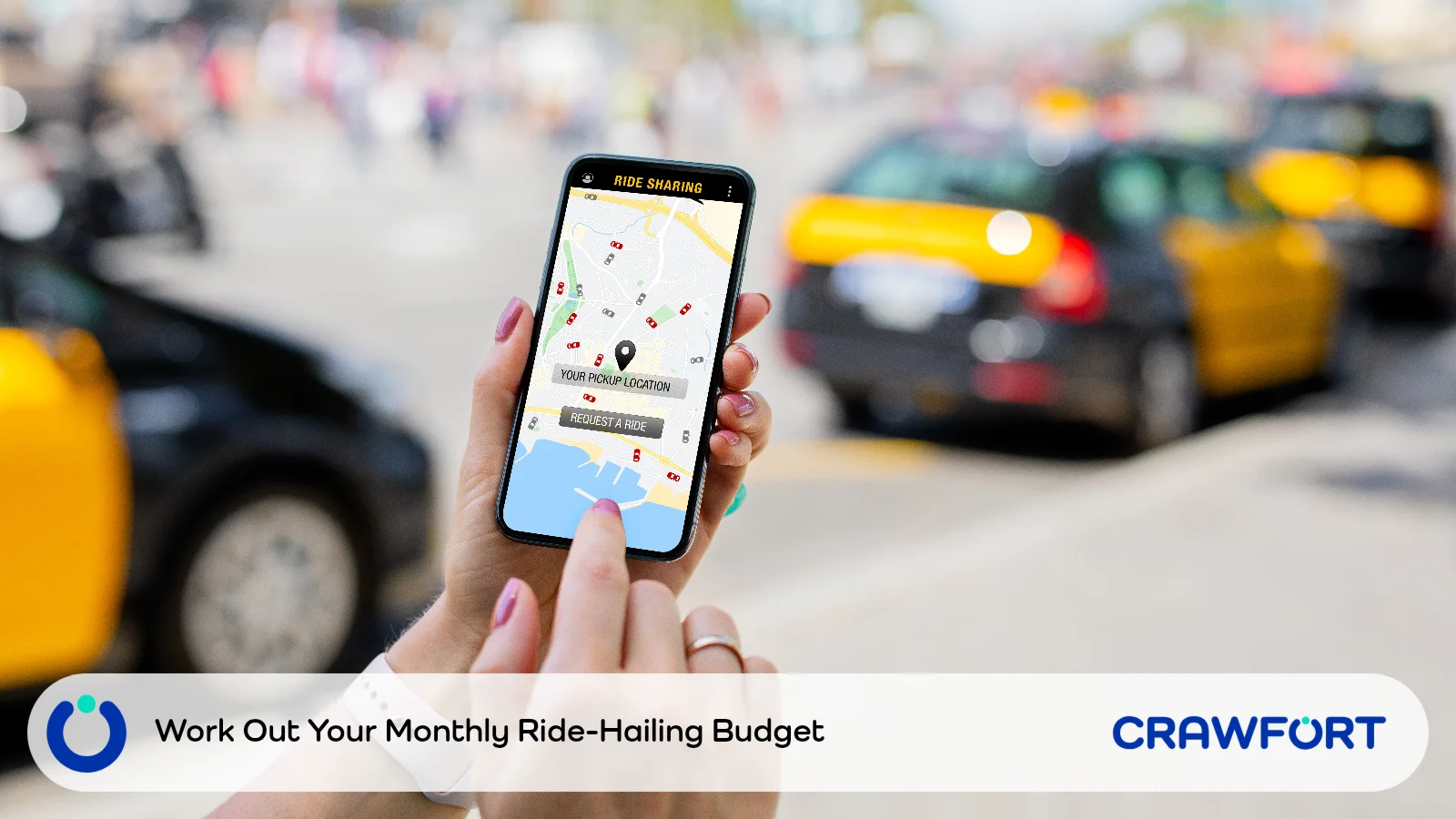
Start with a full month of receipts from your ride apps, plus any rides your spouse or parents booked for the family. One thing people often miss: the ride to work and the ride back home are two separate trips.
Then look at why you took each one. Getting to the clinic, coming home after a late shift, or travelling with young kids or someone who has trouble getting around are hard to change. But some trips could easily happen at a different time, or by bus or MRT instead.
The table below multiplies the number of trips by the final cost of each trip. The fares are examples, so use your own.
| Monthly Travel Item | Calculation | Illustrative Cost |
|---|---|---|
| Work Trips By Taxi Or Private-Hire Car | 16 One-Way Trips × S$18 | S$288 |
| Family Or Appointment Trips | 6 One-Way Trips × S$22 | S$132 |
| Late-Night Trips | 2 One-Way Trips × S$30 | S$60 |
| Taxi And Ride-Hailing Subtotal | 24 Trips In Total | S$480 |
| Bus And MRT Spending | Actual Monthly Total | S$90 |
| Expected Transport Spending | S$480 + S$90 | S$570 |
| Contingency For Additional Trips Or Higher Fares | Chosen Budget Allowance | S$50 |
| Planned Transport Budget | S$570 + S$50 | S$620 |
That S$50 isn’t money you’ve spent. It’s a buffer you’ve put aside, so leave it out when you compare your actual receipts next month.
Use The Final Receipt Amount
Use the final amount on each receipt, after fees, surcharges and discounts. Fees that are already part of the total shouldn’t be added a second time. If you got a refund, take it off the trip it was for.
On a route you use a lot, your average should cover the pricey rides as well as the cheap ones. A discount helps on the day, but don’t plan your monthly budget around it.
Compare The Cost Of The Whole Alternative
Swapping four S$18 rides for the bus cuts S$72 from your ride spending, though you won’t save the full amount once you pay the bus or MRT fare. How long the trip takes, how far you’d walk and whether the bus still runs that late matter too.
There’s also a bus and MRT fare change coming at the end of the year. It’s better to work out your monthly public transport cost after the December fare review on its own than to lump it in with your ride-hailing costs.
Also read: Put transport spending into a full family budget
What If Your Costs Go Up?
Once you have a month of numbers, you can play around with them. Change just one figure at a time and see how much the result moves.
In the driver example, say your receipts go up 5%, from S$7,500 to S$7,875, but your costs go up to S$5,200. You’d have S$2,675 left. That’s S$75 less than before, even though you earned more.
The 5% is only for this example. We picked it to show the sum, and it has nothing to do with the 12.3% rise. You can’t apply that figure straight to a driver’s earnings anyway.
On the household side, say you take two more S$30 rides. That’s another S$60 in total. Your S$50 buffer won’t cover it, and you’d be S$10 short. So you might raise the buffer a little, spend less elsewhere, or take the bus for one of those trips if you can.
Drivers can also test what happens if they drive fewer days or lose an incentive for a month. Split your costs into those that stay the same and those that go down when you drive less. Rental stays the same, but fuel costs go down.
Start With One Month Of Records
A month of receipts, checked against your statements, is enough to get started. From there you can set a spending limit for next month, or decide how much the driver can hand over to the household. Hold on to the records, because you’ll want them for comparison.
Have another look a month later. Still coming up short? Pick one thing to change, whether that’s how often you ride, when you travel, what you spend on running the car or how much goes to the household. A small change you can keep up usually works better than a big one you’ll drop.
Sometimes a one off cost, like a car repair or a large yearly bill, is what leaves you short. When that happens, you can apply for a personal loan with Crawfort and see your result in the app right away.
Important note: This article is for general information only and does not consider your personal financial situation. Before taking a loan or agreeing to a restructuring plan, review the contract carefully and make sure the repayments are manageable.