Alwin Goh
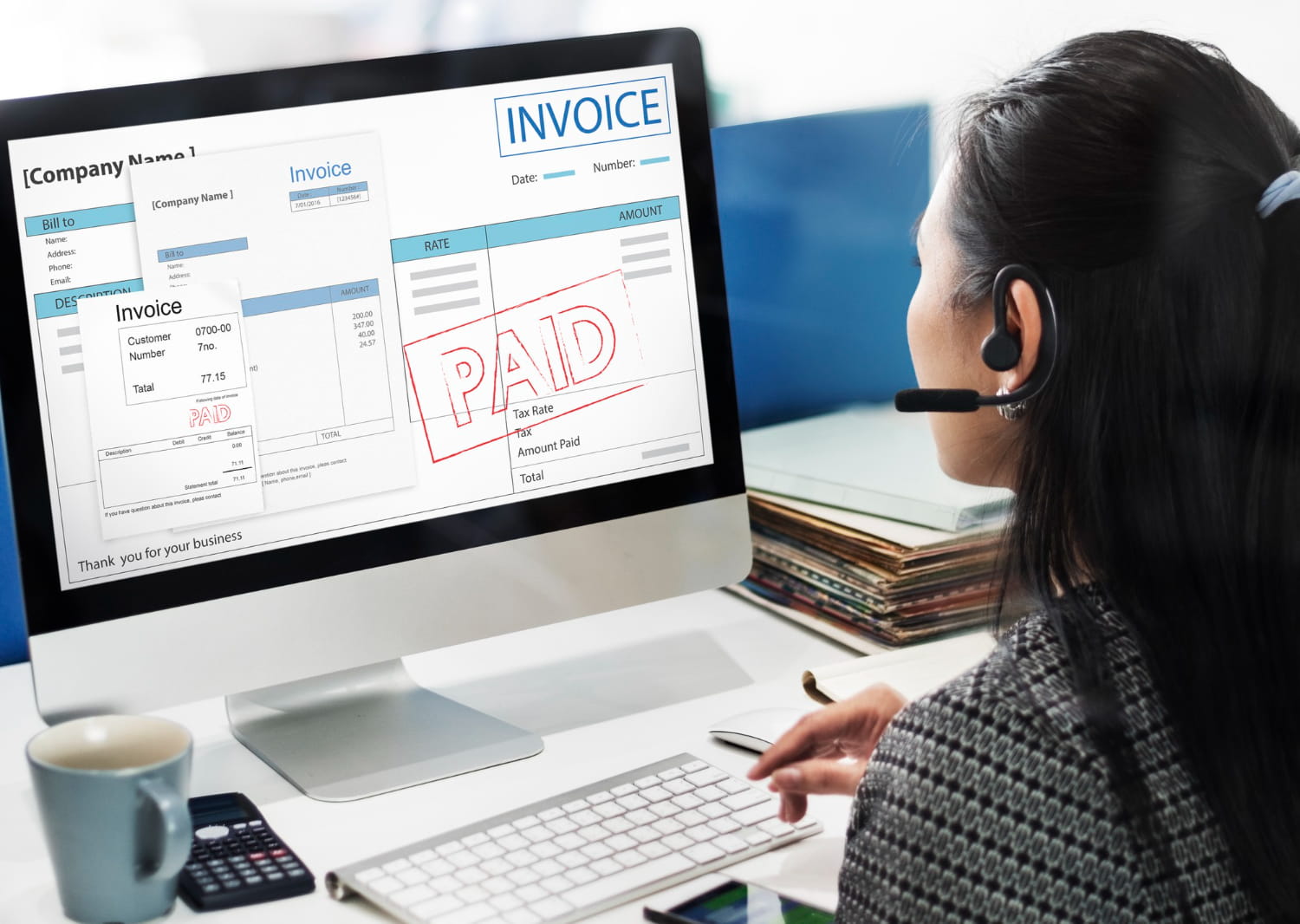
Invoice financing lets you get paid now for invoices your customers won’t settle for another 30, 60, or 90 days. A financing provider advances you 70-90% of the invoice value upfront, then collects payment when it comes due. Sometimes called accounts receivable financing, this option converts unpaid B2B invoices into immediate working capital—without adding debt to your balance sheet.
Most Singapore SMEs offer extended payment terms to corporate clients. Suppliers and payroll don’t wait that long. Invoice financing bridges this timing mismatch—submit an unpaid invoice to a bank or fintech provider, get cash within 24-48 hours, settle the balance (minus fees) once your customer pays. No asset pledges required. The invoice itself serves as collateral.
This cash crunch is widespread. QuickBooks’ 2025 Late Payments Report found 56% of small businesses are owed money from unpaid invoices at any given time. Invoice financing unlocks that trapped cash flow when you need it—not when your customer decides to pay. And unlike bank loans, approval hinges on your customer’s creditworthiness, not yours.
Key Takeaways
- Your customer’s credit determines approval, not yours. This flips typical loan logic.
- Calculate fees against your profit margin, not invoice value. That’s the real cost.
- If your customers pay late, invoice financing doesn’t fix that—it shifts when you feel the loss.
- Most SMEs under S$500K revenue only qualify for factoring. The choice is often made for you.
- Recourse is default in Singapore. Customer defaults = you repay the advance.
- Volume commitments lock you in. Ask about selective financing if you need occasional access.
How Invoice Financing Works
The mechanics are straightforward. You’ve done the work, issued the invoice, and now you’re waiting 30, 60, or 90 days for payment. Invoice financing collapses that timeline into 24-48 hours.
Here’s how a typical transaction plays out:
- You complete work and invoice your customer. Say you’ve delivered S$50,000 worth of inventory to a retailer with net-60 payment terms. Standard B2B arrangement.
- Submit the invoice to a financing provider. Could be a bank, fintech platform, or factoring company. They’ll verify the invoice is legitimate and assess your customer’s creditworthiness—not yours.
- Receive 80-90% upfront. At an 85% advance rate, that’s S$42,500 deposited within one to two business days. Money hits your account while your customer still has 58 days left on their credit terms.
- Your customer pays in full on day 60. They settle the S$50,000 directly with the financing provider. Some arrangements have your customer pay you instead, which you then forward—called invoice discounting, and it keeps the financing relationship confidential.
- Provider releases the remaining balance, minus fees. The reserve (S$7,500) comes back to you, less the financing charge. At 3% of invoice value, that’s S$1,500.
Your actual take: S$48,500 out of S$50,000.
That S$1,500 fee? The cost of accessing your money 60 days early. Worth it depends entirely on what you’d do with S$42,500 in hand right now versus waiting two months.
A few variables shift these numbers. Advance rates typically range from 70% to 95%—customers with strong payment histories get you better terms. Fees run anywhere from 1% to 5% of invoice value, influenced by payment terms, invoice size, and your customer’s credit profile. Longer payment windows and riskier buyers mean higher costs.
The math isn’t complicated. But knowing exactly what lands in your account—before signing anything—makes the decision clearer.
Invoice Factoring vs Invoice Discounting
Both unlock cash from unpaid invoices. The difference? Who handles collections and whether your customers find out.
| Invoice Factoring | Invoice Discounting | |
| Who collects payment | Financing company | You |
| Customer finds out? | Yes—they’re notified | No—stays confidential |
| You handle credit control? | No | Yes |
| Cost | Higher (1.5-5%) | Lower (0.75-2.5%) |
| Minimum requirements | Lower—good for smaller SMEs | Higher—usually needs S$500K+ annual turnover |
| Best when… | You lack time/staff to chase payments | You want to keep customer relationships private |
Recourse vs Non-Recourse: Where Risk Shifts
Here’s the part most providers gloss over. With recourse factoring, if your customer doesn’t pay, you buy back the invoice. You’re still on the hook for that debt. Non-recourse factoring means the provider absorbs the loss if collection fails—but charges more for that protection, typically 0.5-1% extra on top of standard fees. Most Singapore providers default to recourse arrangements. Don’t assume you’re covered. Ask explicitly before signing.
Which Should You Choose?
Small team, hate chasing invoices, don’t mind customers knowing you’re using financing? Invoice factoring makes sense. The factoring company handles collections, credit checks, and payment follow-ups. You focus on running operations instead.
Larger operation with dedicated accounts staff, want confidentiality with key clients? Invoice discounting keeps the financing relationship invisible. Your customers pay you directly, none the wiser about your cash flow arrangements.
Reality check: most SMEs under S$2M annual revenue end up with factoring anyway. Discounting providers typically won’t onboard businesses below S$500K turnover—the administrative overhead doesn’t justify smaller accounts. Your choice might already be made for you.
Invoice Financing Costs: Is It Worth Your Profit Margin?

Most articles quote “1-5% fees” and stop there. That number means nothing without context. The real question: what percentage of your profit disappears?
Your invoice: S$30,000 Your profit margin on that job: 15% = S$4,500 Financing fee (3%): S$900 Financing cost as % of your profit: 20%
One-fifth of your profit. Gone. That’s the trade-off for accessing cash 60 days early. Whether that’s acceptable depends entirely on what you’d do with the money.
When the Math Works
The fee makes sense when the alternative costs more. You’d lose a larger contract without immediate cash—opportunity cost exceeds financing cost. A supplier offers 5% early payment discount; financing at 3% still nets you 2%. Or you’re covering payroll—though a working capital loan may be cleaner if you don’t have invoices to finance yet.. In these cases, the 3% fee structure actually saves money.
When It Doesn’t
Margins under 10% make invoice financing painful—fees consume too much of what you actually earn. Same problem if you can realistically wait another two weeks without operational damage. And if the customer has a history of paying late, fees compound while you wait. The invoice financing cost balloons beyond your initial calculation. Run the numbers first.
Who Qualifies for Invoice Financing in Singapore?
Most rejections happen before the credit check. Providers filter applications against hard thresholds—miss one, and you’re out.
Minimum Requirements
Business registration: ACRA-registered Pte Ltd or LLP. Sole proprietorships rarely qualify—personal loans work better for that structure.
Operating history: 6-24 months minimum. Startups under 6 months get case-by-case review with worse terms—higher fees, lower advance rates.
Annual revenue: S$100,000-S$500,000 depending on provider. Below S$100K, options nearly disappear. Invoice discounting typically requires S$500K+.
Invoice size: Minimum S$10,000 per invoice at most providers. Some start at S$50,000. Payment terms between 30-120 days.
What Actually Determines Approval
Your customer’s credit matters more than yours. Providers assess whether they pay on time—not whether you do. Government contracts and MNC clients strengthen applications. Invoices to new businesses or financially weak customers may be excluded from your facility entirely, even if you qualify overall.
This creates a useful filter: if your customers have poor payment history, invoice financing won’t solve that problem. It just shifts when you experience the loss.
Common Rejection Reasons
Invoices already pledged elsewhere. If receivables secure another loan, they can’t be financed again.
Disputes or credit notes. Any invoice with unresolved issues gets excluded. The work must be fully delivered and accepted.
Volume mismatch. Some facilities require minimum monthly commitments. Finance S$50K/month or pay penalties. If you need occasional access, look for selective invoice financing—you choose which invoices to finance, when. No minimums, but slightly higher per-transaction fees.
Is Invoice Financing Right for Your Business?
Invoice financing solves one problem: cash locked in unpaid invoices. If your margins support the fees, your customers pay reliably, and you’d put that early cash to productive use, it works. If your margins are thin, customers pay late, or you’re financing out of habit rather than necessity—reconsider.
Run the numbers on your own invoices. Calculate the fee against your profit margin, not the invoice value. That’s the real cost.
FAQ
How fast can I get funds from invoice financing?
Most providers disburse within 24-48 hours after invoice verification. Banks take longer—up to a week. Fintech platforms and factoring companies typically release funds within one business day once your account is set up.
What’s the difference between invoice financing and a business loan?
A business loan adds debt to your balance sheet. Invoice financing doesn’t—you’re advancing money you’ve already earned. Loans require your creditworthiness; invoice financing depends on your customer’s. Loans give lump sums for any purpose; invoice financing ties directly to specific receivables.
Can I finance invoices if my business is new?
Difficult but possible. Most providers want 6-24 months operating history. Newer businesses face case-by-case review with stricter terms—lower advance rates, higher fees. Your customer’s credit strength matters more than your track record, so strong clients help offset limited history.
What happens if my customer doesn’t pay?
Depends on your arrangement. Recourse financing (most common in Singapore) means you repay the advance if your customer defaults. Non-recourse financing shifts that risk to the provider—but costs 0.5-1% more. Confirm which type you’re signing before committing.
Are there invoices that don’t qualify?
Yes. Consumer invoices (B2C) don’t qualify—B2B only. Invoices for incomplete work get rejected. Disputed invoices or those with credit notes attached won’t be accepted. Invoices already pledged as collateral elsewhere are ineligible. Minimum invoice size is typically S$10,000.