Alwin Goh
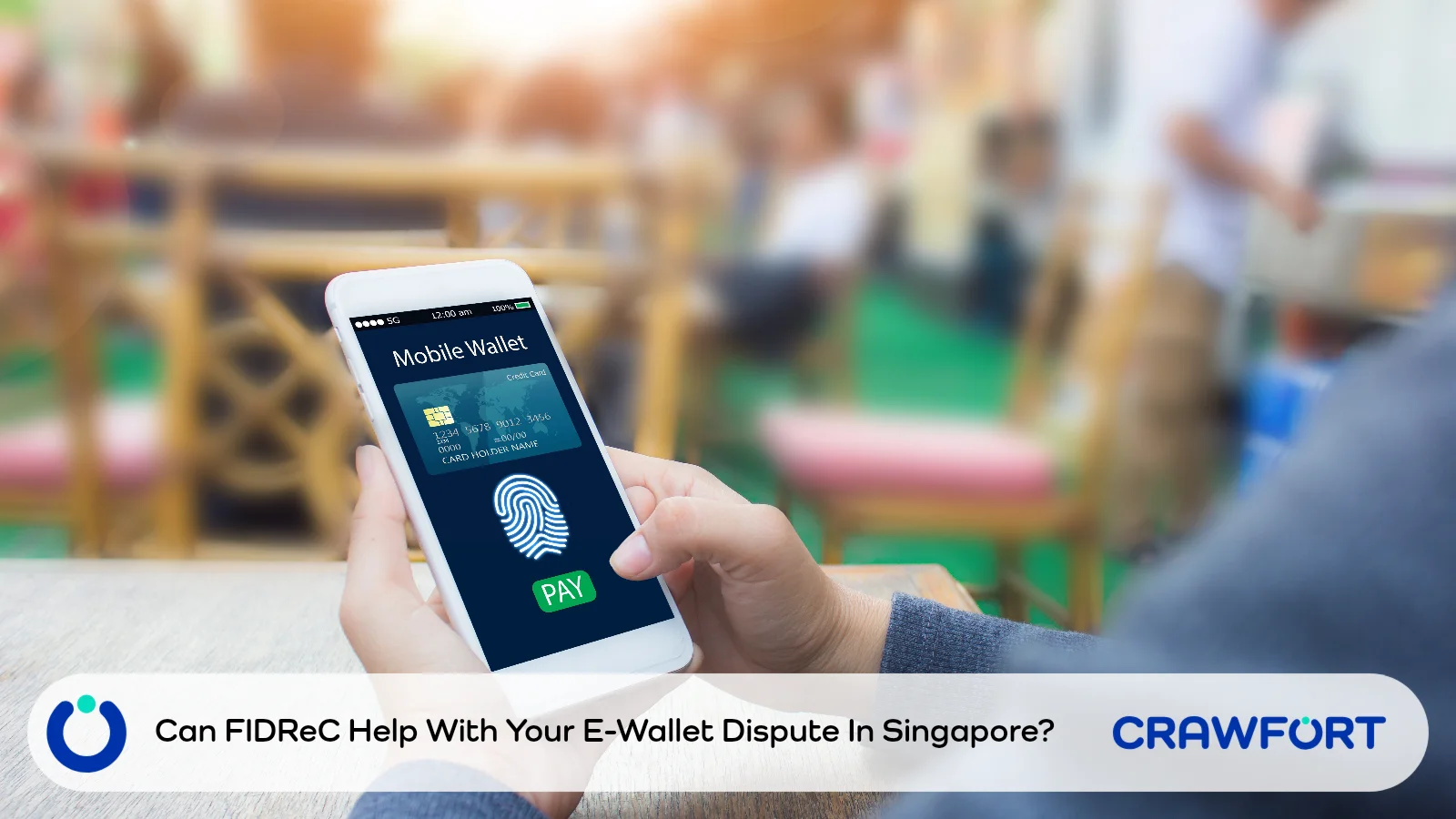
Yes, the Financial Industry Disputes Resolution Centre (FIDReC) can help with eligible e-wallet disputes in Singapore. You’ll need to complain to the financial institution first and give it a chance to sort things out. The right company to contact depends on where the money moved, so start with your wallet history, card statement or order receipt.
Spotted a payment you didn’t make, or think you’ve been scammed? Report it straight away through the provider’s official channel, and call your bank or card issuer immediately if that account or card is affected. ScamShield’s steps after a scam also explain how to file a police report and secure your accounts.
Start with the record that shows the problem. If both your wallet and a bank account were affected, you may need to report the issue to both providers.
| What You See | Who To Contact First | What To Have Ready |
|---|---|---|
| Your bank shows a debit, but your wallet balance never went up. | The e-wallet provider | The top-up reference and the bank debit |
| Your wallet shows a payment you don’t recognise. | The e-wallet provider promptly | The wallet transaction and any related alerts |
| An unfamiliar payment appears on the card you use with your phone. | The bank or card issuer immediately | The card transaction and any alert about a device or wallet |
| You paid for an order, but the seller didn’t deliver it. | The seller or the marketplace’s dispute channel | The order confirmation and delivery or refund messages |
Table of Contents
How Do You Trace The Payment?
Open the transaction details and check how the payment was funded. A single app can let you pay from a stored balance or with a saved bank card. Match the amount and date in your wallet history against your bank or card statement, and note the transaction reference too.
Money Missing From Your Wallet Balance
Say you topped up S$80. You might see an S$80 debit in your banking app and an S$80 credit in your wallet, and those are two records of the same top-up. If the bank shows the debit went through but the wallet shows no credit, send the wallet provider both records and ask it to trace the money. Provider still can’t find it? Ask your bank what it can confirm about the debit. (These numbers are only an example.)
A missing refund starts with the seller. Ask it for the refund date and amount, and check where it sent the money. If the seller says it refunded you to your wallet, pass its refund reference to the wallet provider so it can trace that credit.
Is The Charge On A Linked Card?
If you paid by tapping your phone with a saved bank card, the charge shows up on your card statement. The card issuer is your first contact for any charge on that card you didn’t authorise. Got an alert that the card was added to a device you don’t recognise? Mention that alert along with the charge, so the issuer can look into both the card activity and the device registration.
Also Read: How fake parcel messages can lead to unauthorised wallet enrolment
Problems With The Seller Or The Order
A missing parcel or a damaged item is a seller issue if the payment itself went through, and so is an order the seller cancelled. Start with the seller or the marketplace, and check the order details for any buyer protection deadline. Paid by card? Ask the issuer whether its dispute process applies and whether it has a separate deadline.
FIDReC generally only handles disputes between consumers and the financial institutions that subscribe to it. It can look at how an eligible institution handled your payment or card dispute, though not at the seller’s own conduct.
Can FIDReC Hear Your Dispute?
Once you know which company you’re complaining about, check that it subscribes to FIDReC. Look for its legal name in the account terms or on the receipt, especially if the app shares a name with a marketplace. Eligible disputes against providers of e-wallets that store e-money can go to FIDReC if they arose from 16 December 2024. FIDReC’s e-wallet announcement links to its full subscriber list.
Membership is only part of the check. The provider generally has to have been a subscriber when the problem happened, and FIDReC considers disputes that come from your relationship as its customer. It also looks at the timing and the subject of your complaint. If you can’t find the provider on the list, or you’re unsure whether it was covered at the time, ask FIDReC about your case and keep going with the provider’s own complaints process.
Timing And Exclusions To Check
Give the financial institution a chance to investigate first. FIDReC’s filing checklist asks you to allow it four weeks from the date you contacted it, and you can approach FIDReC after that if the issue still isn’t resolved to your satisfaction. Once the institution sends its final reply, you have six months to file. If you ask it to reconsider, keep an eye on that deadline anyway.
Some disputes are off the table. FIDReC’s exclusions include general pricing and fee policies, as well as cases under investigation by law enforcement. Tell FIDReC when you enquire if the police are investigating a scam linked to your claim. Think a specific fee was charged in error? Show how the charge differs from what you agreed to, so FIDReC can assess the complaint.
How Do You File A Claim With FIDReC?
A clear claim lets someone follow the money and see what the provider has already done. Start with a short timeline you can back up with records.
- Record the payment. Note the date, amount and transaction reference, then save your wallet history and bank or card statement along with the receipt and any alerts. Disputing more than one transaction? List each one separately, with any amounts already refunded.
- Keep the correspondence. Save your first complaint, any follow-up messages and the provider’s written reply. For phone calls, write down the date and what you were told. If you complained to both the card issuer and the wallet provider, label each case number so you can match replies to the right complaint. Add a police report if it’s relevant to the claim.
- Say what would resolve it. Spell out what you want the provider to do, such as credit a missing top-up or reverse a specific duplicate charge. If the provider has already turned down your request, point to the part of its reply you disagree with and the record that backs up your account.
- Use the online form. Follow FIDReC’s claim filing instructions to register as a complainant, fill in the online Dispute Resolution Form and upload your records. Keep your claim reference, and send any further documents through the official portal.
How Does FIDReC Handle Your Claim?
Your claim starts with an early resolution stage of 10 business days, beginning the business day after you file. The institution can use that time to settle with you directly. If the issue is still open afterwards, a FIDReC case manager checks whether the claim falls within its jurisdiction and, if it does, may arrange mediation between you and the institution.
Mediation doesn’t settle it? You can then choose adjudication, where an adjudicator decides the dispute based on the facts and merits of the case. An award in your favour binds the institution, and you can decide whether to accept it. FIDReC says most disputes are resolved within six months.
Filing and mediation are free for consumers. As of November 2026, adjudication costs S$50 per claim for individuals and sole proprietors, or S$250 per claim for small businesses and charities, plus GST. There’s no claim limit for mediation, but adjudication is capped at S$150,000 per claim for claims filed on or after 1 July 2024. Claims for non-monetary losses alone can’t go to adjudication.
Will More Payment Providers Have To Join FIDReC?
They might. The Monetary Authority of Singapore (MAS) is proposing that all licensed Major Payment Institutions and Standard Payment Institutions be required to subscribe to FIDReC. Payment providers offering e-wallets that store e-money already have to subscribe, as part of the Shared Responsibility Framework (SRF). If the changes take effect, customers of a wider range of payment providers would get a route to FIDReC for eligible disputes. Money-changing licensees aren’t included in the proposal.
MAS also proposes that MAS-regulated stablecoin issuers join once its stablecoin framework comes into force. Feedback is open until 7pm Singapore time on 30 November 2026 through the MAS consultation on FIDReC membership. The paper doesn’t set a start date. MAS and FIDReC plan to work out timing and fees with the industry over the course of 2027.
Check What The Provider Has Resolved
Is the provider still investigating? Ask for a written update tied to the transaction reference, and find out whether it needs anything else from you and when it expects to reply. If it offers a refund, ask where and when the money will be credited. You’ll then know which account to check, and you can show what’s still outstanding if you take the dispute further.
Apply for an instant loan with Crawfort and check your result in the app.
Important note: This article is for general information only and does not consider your personal financial situation. Before taking a loan or agreeing to a restructuring plan, review the contract carefully and make sure the repayments are manageable.